Welcome to Yetinhon

How to Install a Commercial Coffee Roaster – A Professional Guide for Cafes and Roasting Plants in 2025
How to Install a Commercial Coffee Roaster – A Professional Guide for Cafes and Roasting Plants in 2025
 18 Dec
How to Install a Commercial Coffee Roaster – A Professional Guide for Cafes and Roasting Plants in 2025
By Yetinhon Coffee Equipment Team--December 18, 2025
As the specialty coffee market continues to expand, more and more cafes, private-label roasters, and coffee factories are introducing commercial coffee roasters to improve coffee quality consistency and achieve large-scale production. However, whether choosing commercial coffee roasting equipment or the best commercially recognized coffee roaster on the market, a standardized and professional installation process is fundamental to the long-term stable operation of the equipment.
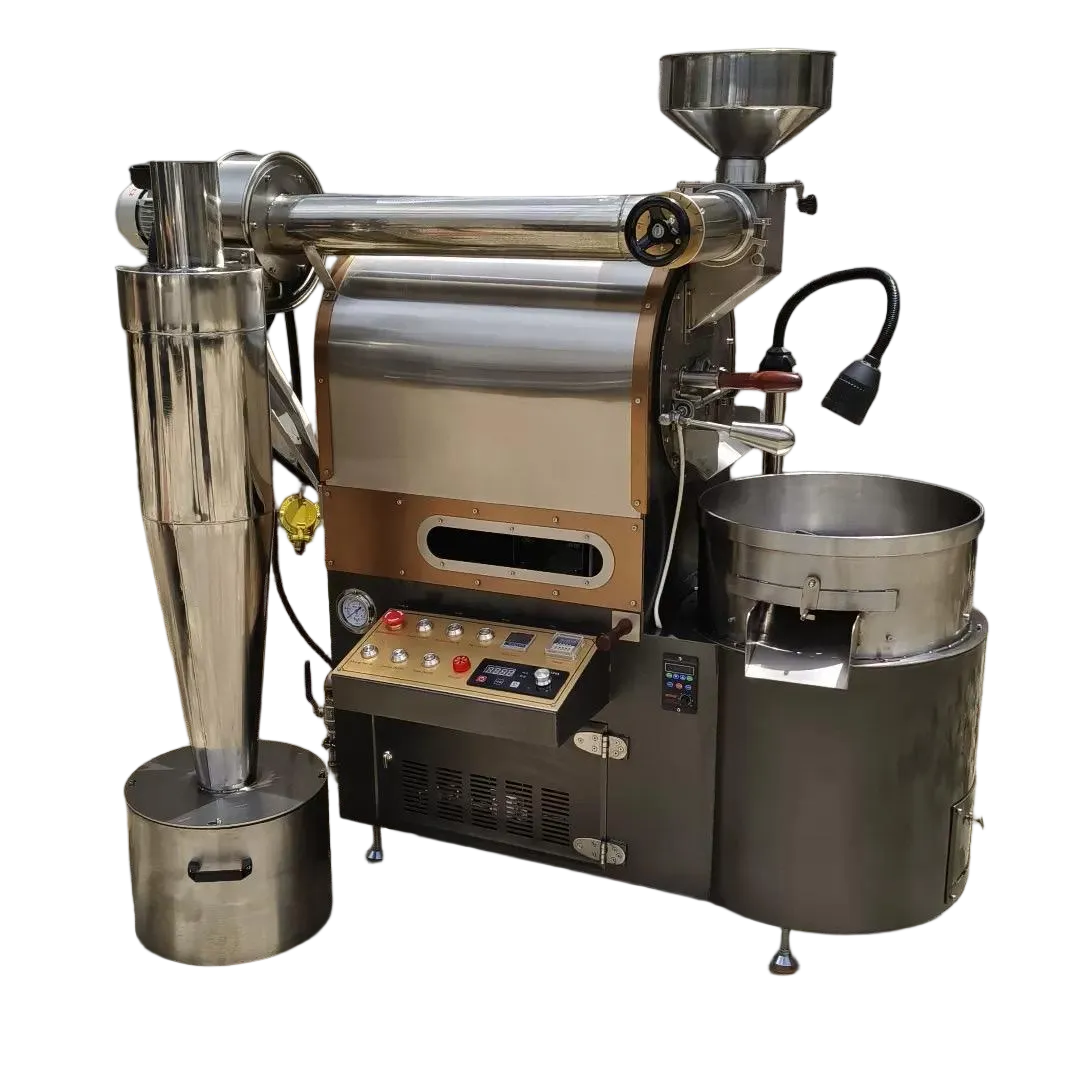
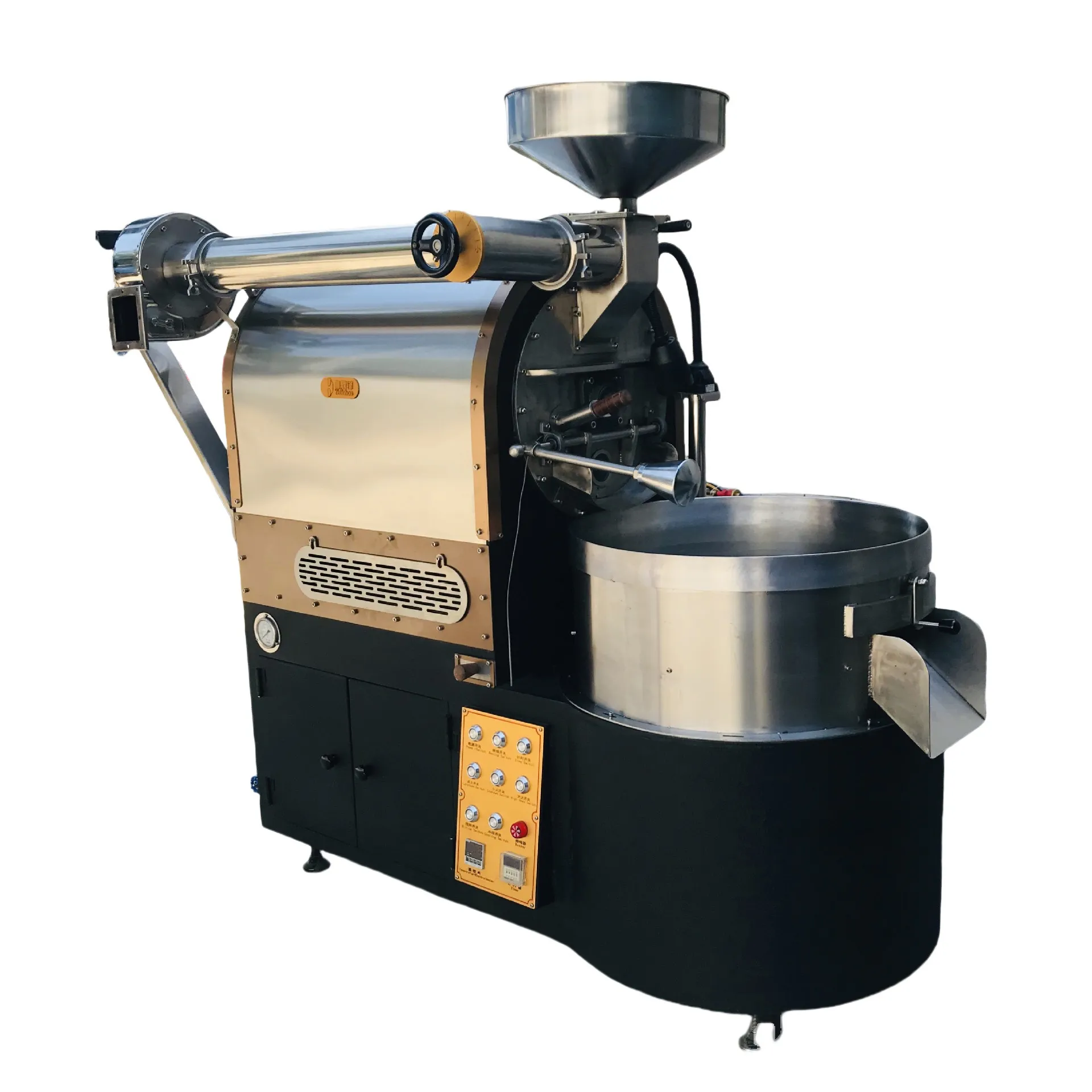
Key Preparations Before Installing a Commercial Coffee Roaster
Before installing any commercial coffee roaster, a thorough assessment of site conditions and compliance requirements is essential.
Site and Ventilation Planning
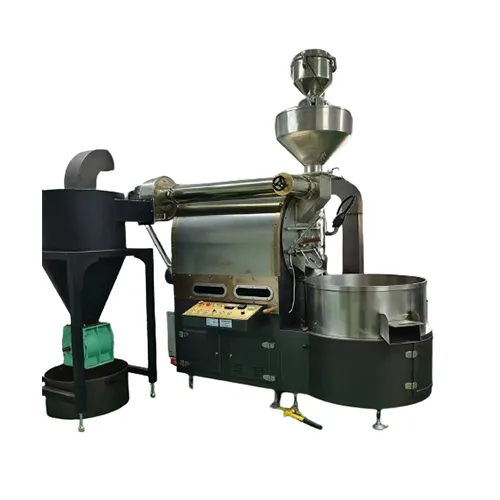
The commercial coffee roasting process generates high temperatures, smoke, and coffee chaff, therefore a professional exhaust system is mandatory. For medium to large commercial coffee roasting equipment, it is generally recommended to use high-temperature resistant stainless steel exhaust pipes to ensure smooth airflow and compliance with fire safety regulations.
Power and Energy Requirements
Different types of commercial coffee roasters have different energy requirements:
• Electric commercial roasters require verification of voltage, current, and power distribution system stability.
• Gas or hybrid equipment requires professional installation of gas connections and safety checks.
These preparations are directly related to equipment safety and subsequent operational efficiency.
Floor Load Capacity and Safety Clearance
Even small to medium-sized commercial coffee bean roasters often weigh several hundred kilograms. The installation area must have sufficient load-bearing capacity and provide adequate space for maintenance, heat dissipation, and operation.
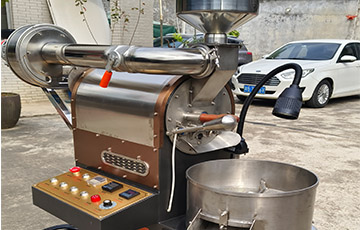
Commercial Coffee Roaster Standard Installation Procedure
Step 1: Equipment Placement
Place the roaster on a level and stable surface, ensuring a safe distance between the equipment and walls/exhaust vents to facilitate heat dissipation and daily maintenance.
Step 2: Exhaust System Connection
Exhaust is one of the most critical aspects of installation. An efficient exhaust system helps maintain a stable roasting environment and reduces interference with coffee flavor, which is especially important for commercial coffee roasting machines.
Step 3: Power or Gas Connection
All energy connections should be completed by qualified technicians and a comprehensive safety check should be performed before the first operation to ensure compliance with local regulations.
Step 4: Parameter Calibration and Test Roasting
After installation, multiple test roasts should be performed to fine-tune parameters such as temperature control, airflow, and rotation speed. Even equipment considered the best commercial coffee roaster needs calibration based on the actual environment to achieve stable and reproducible roasting results.
How to Choose the Right Coffee Roasting Machine for Commercial Use
The commercial coffee roasting equipment market currently offers a variety of sizes and applications:
• Small commercial roasters: Suitable for specialty coffee shops and small studios, used for sample roasting and single-origin coffee development.
• Medium-sized commercial coffee roasters: Striking a balance between capacity and flexibility, suitable for growing roasting brands.
• Large commercial coffee roasting equipment: Designed for wholesale and factory-level production, emphasizing efficiency, stability, and automation.
Choosing the right commercial coffee roasting equipment not only helps control costs but also leaves room for future expansion.
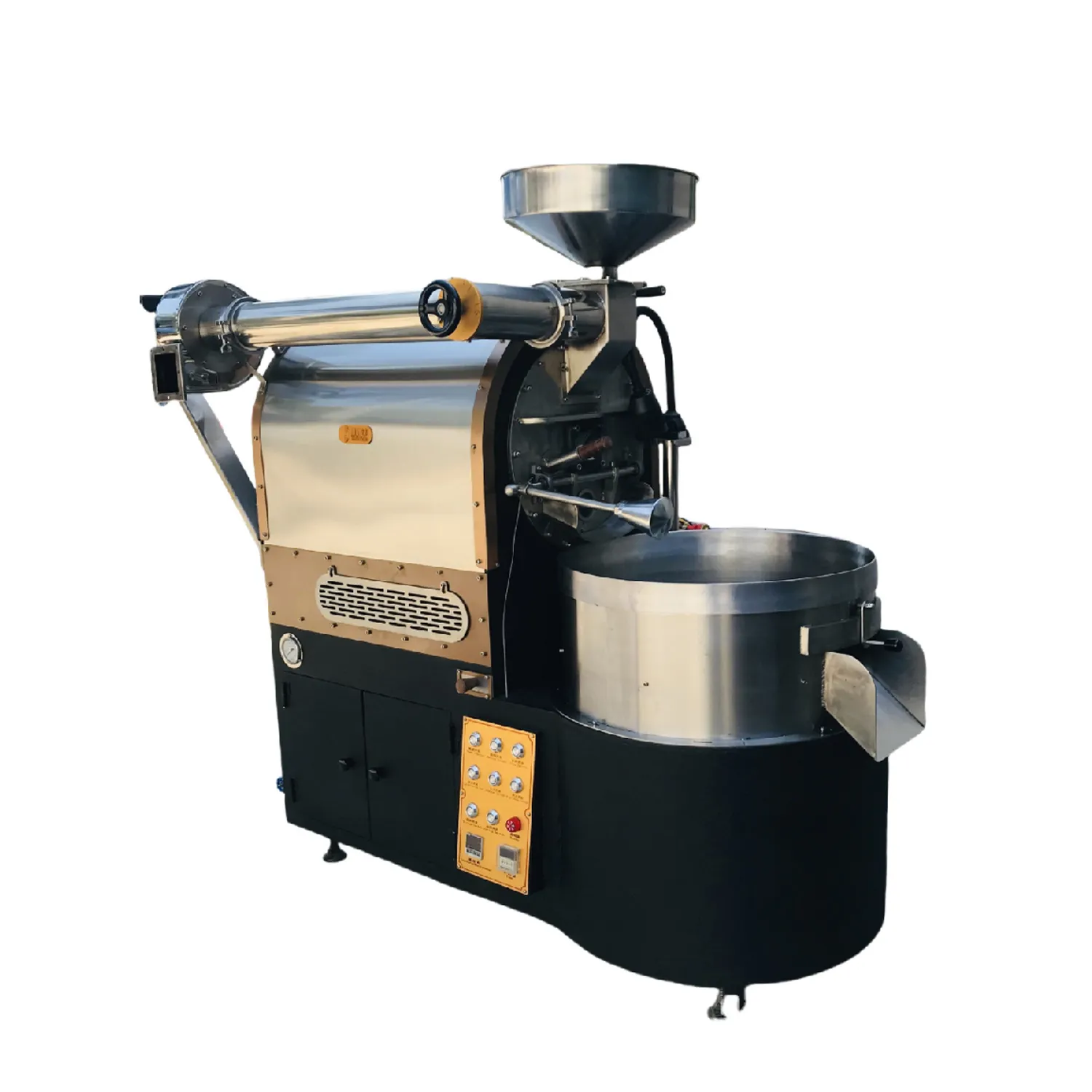
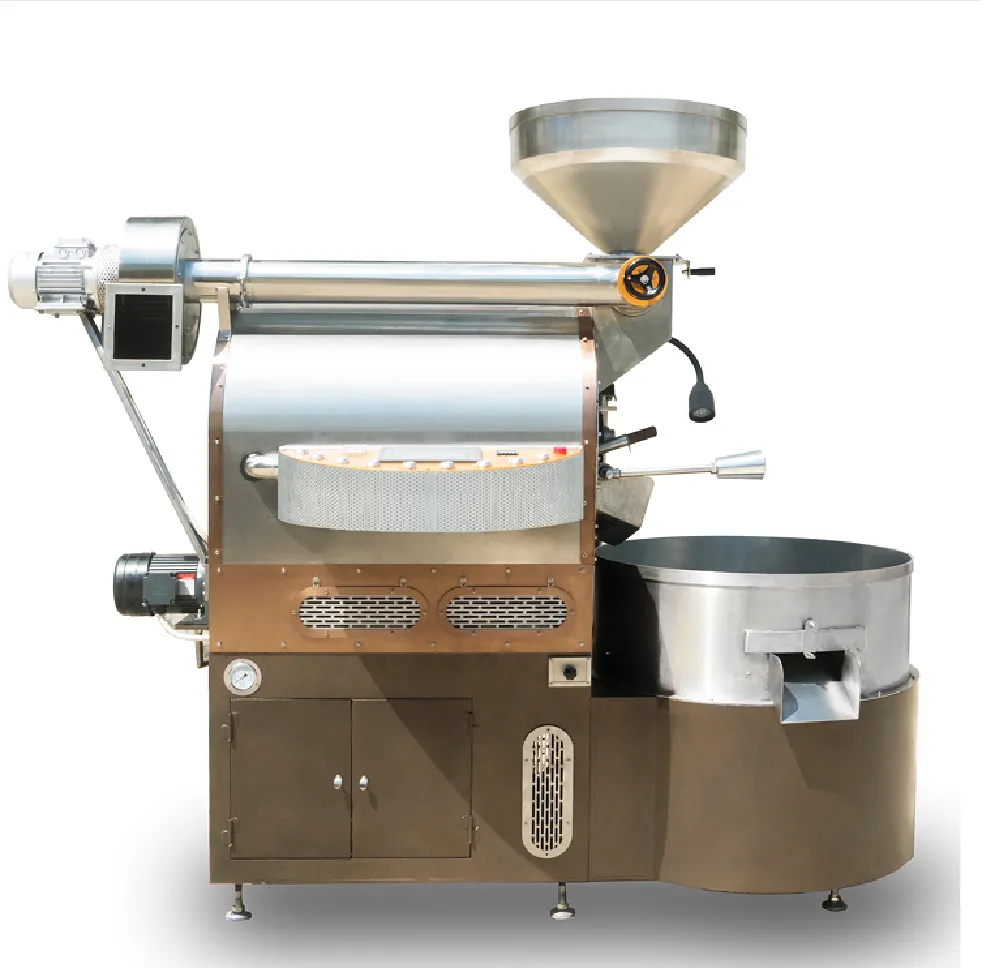
Yetinhon Commercial Coffee Roaster Solutions
As a leading supplier in the commercial coffee equipment field, Yetinhon offers a complete product line ranging from small sample roasters to large industrial-grade systems. Their commercial coffee roasters feature stable heating systems, precise airflow control, and programmable roasting curves, making them suitable for various applications including cafes, roasting workshops, and professional roasting factories.
Conclusion: Installation Determines Long-Term Competitiveness
For any commercial coffee project, purchasing a commercial coffee roaster is only the first step. Only through scientific planning, professional installation, and continuous maintenance can commercial coffee roasting equipment truly deliver value and help businesses establish a long-term competitive advantage in the highly competitive coffee market.

Related News




Contact US
Product Information
Quantity
Unit
Piece
Support order samples, customization, wholesale direct, and complete payment. If the product you look for does not have corresponding customized content, pls fill out the form below to contact us, and we will reply ASAP.