Welcome to Yetinhon

[Coffee Knowledge] How to choose coffee of different roasting degrees?
[Coffee Knowledge] How to choose coffee of different roasting degrees?
![[Coffee Knowledge] How to choose coffee of different roasting degrees?](https://shopsource.singoo.cc/2408/general/Bmk6APNPQWtzGrfy/CoastingBean1.jpg?x-oss-process=image/resize,w_100/quality,q_100) 06 Mar
06 Mar
[Coffee Knowledge] How to choose coffee of different roasting degrees?
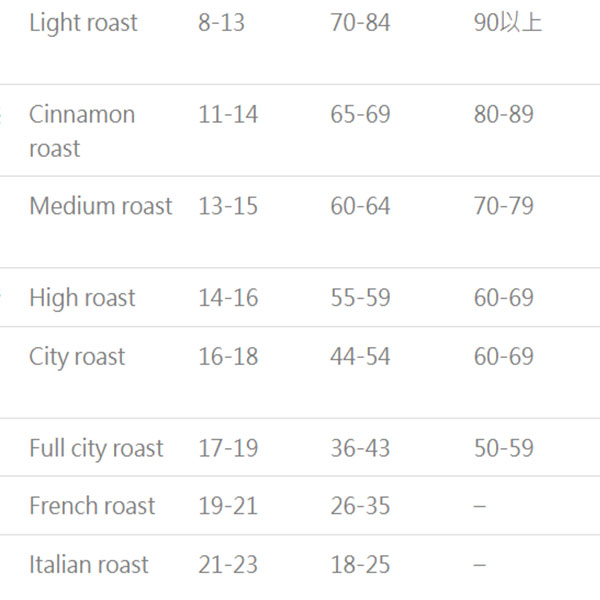
What kind of roasted coffee do you like? I like lightly roasted coffee, which has more fruity and sour flavor. Medium-roasted beans have a balanced sour and bitter taste, and the various flavors are moderately blended; Italian dark-roasted beans have a mature taste. Each roasting degree has its own preferences. How are the so-called light, medium, and dark roasts determined?
However, each roaster has different roasting degrees and their corresponding values, so the following table provides a comparison table of eight common levels.
First crack
After the caramelization reaction, the pressure generated by the steam inside the coffee beans rushes out and produces a popping sound, which is the commonly heard first crack. The period before and after the first crack is a very critical period, and temperature control must begin. Light-roasted and medium-roasted beans are added between the first and second cracks.
Second crack
After the first crack, the beans will be stable for a period of time. If the temperature continues to rise and reaches about 225 degrees Celsius (depending on the roasting method), the carbon dioxide in the beans will be expelled due to the thermal reaction, and the second crack will occur. At this stage, the inside of the coffee beans will begin to carbonize, producing bitterness.
Cooling
Cooling after adding the beans is extremely important. The temperature absorbed by the coffee beans will keep the roasting process going, so the coffee beans should be allowed to dissipate heat and cool down after adding the beans. If the amount of beans is large, you will need to use an electric fan to assist in not changing the flavor of the roasted coffee beans.
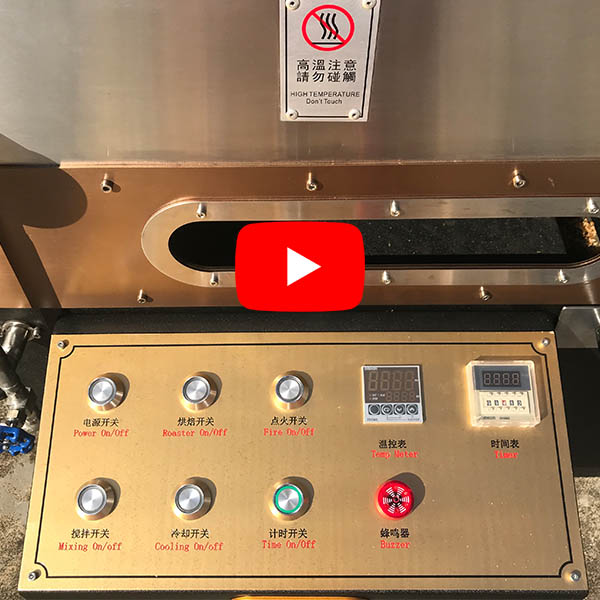
You may have heard this saying: The quality of green beans determines 60% of the flavor of coffee, hand-brewing skills have an impact of about 10%, and the remaining 30% is caused by changes in roasted beans.
Related News





Contact US
Product Information
Quantity
Unit
Piece
Support order samples, customization, wholesale direct, and complete payment. If the product you look for does not have corresponding customized content, pls fill out the form below to contact us, and we will reply ASAP.