Welcome to Yetinhon

Development History of Coffee Bean Drying Method
Development History of Coffee Bean Drying Method
 03 Jan
The development history of coffee bean dryers technology. With the growth of coffee planting, processing and consumption demand, drying technology has several stages of evolution.
Early Method: natural drying
Natural drying
The earliest method of drying coffee was through natural drying, where coffee beans were spread on the ground (such as mud, stone slabs or woven mats) exposed to the sun and turned to ensure even drying. This method is simple and economical, but it is highly dependent on weather conditions and is easily affected by rain or moisture.
Improved drying
As demand increased, coffee growers began to use elevated drying beds (African beds) and plastic sheeting to improve efficiency and reduce environmental pollution and the risk of mildew.
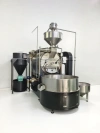
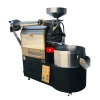
Today drying method: Technology (Machine Automation & Caffee Roaster)
Late 20th century: automatic control
Automation technology was introduced into the dryer industry, including automatic control of temperature, humidity and time. These technologies have greatly improved the quality of coffee bean drying and made the coffee flavor more stable.
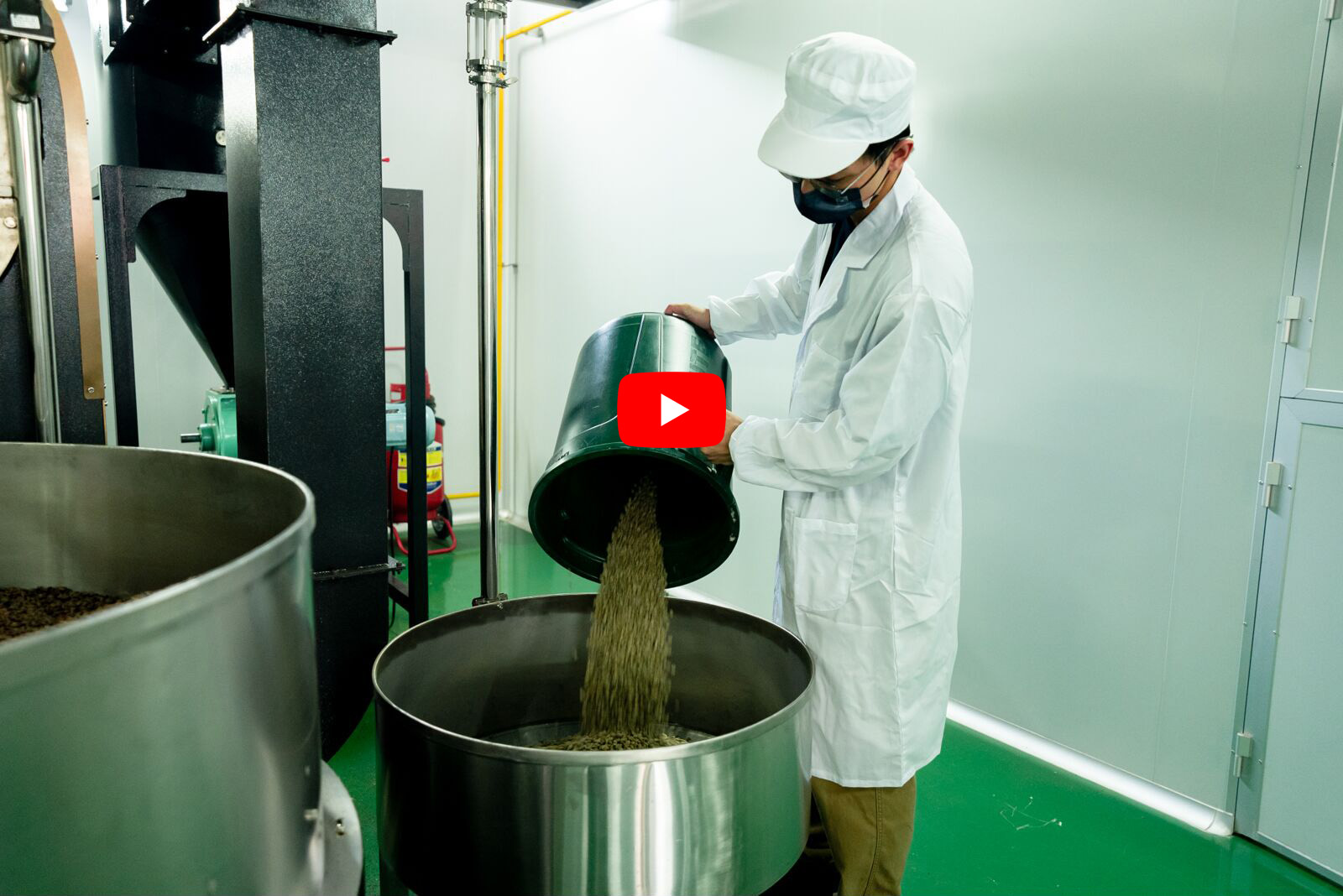
Energy-saving and environmentally friendly dryers
With the improvement of environmental awareness, many modern dryers adopt energy-saving designs (such as solar-assisted drying) and reduce carbon emissions. For example, hybrid dryers combine solar energy and mechanical heat sources to significantly reduce energy consumption.
Related News




Contact US
Product Information
Quantity
Unit
Piece
Support order samples, customization, wholesale direct, and complete payment. If the product you look for does not have corresponding customized content, pls fill out the form below to contact us, and we will reply ASAP.