Welcome to Yetinhon

Fully Automatic vs Manual Coffee Roasters: Which Coffee Bean Roaster Is Right for You?
Fully Automatic vs Manual Coffee Roasters: Which Coffee Bean Roaster Is Right for You?
 24 Jul
When it comes to coffee roasting, choosing between a fully automatic coffee roaster and a manual coffee roaster can make a big difference in quality, consistency, and overall user experience. Whether you're a small-batch artisan or running a commercial coffee business, understanding the key differences can help you make an informed decision.
What Is a Fully Automatic Coffee Roaster?
A fully automatic coffee roaster is designed for simplicity and precision. With digital temperature controls, timers, and automatic airflow adjustment, it's the ideal choice for busy environments like coffee shops and production facilities.
✅ Great for:
Consistent roast quality
Scaling up production
Reducing labor cost
Many roasters looking for the best commercial coffee roaster start with brands like the Yetinhon coffee bean roaster, known for reliability and user-friendly interfaces.
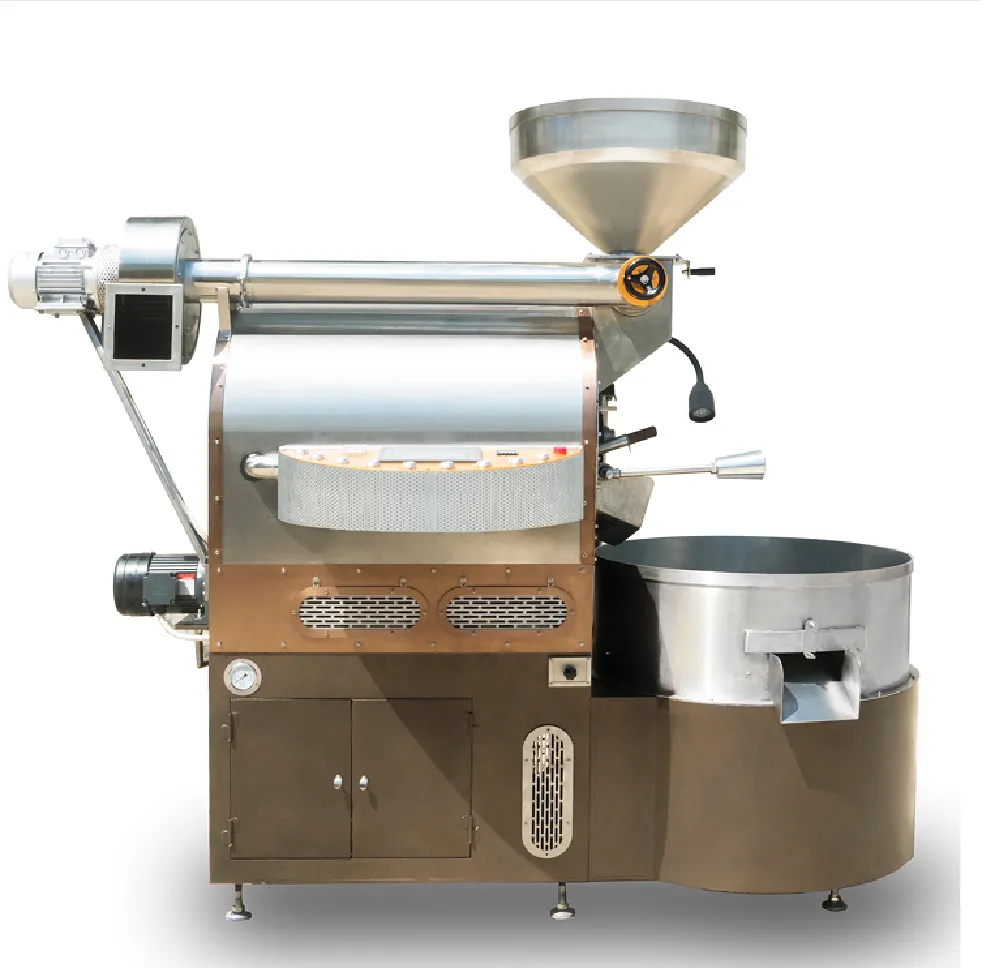
What Is a Manual Coffee Roaster?
A manual coffee bean roaster gives you total control over the roast profile. It's the preferred choice for artisans and small-batch roasters who enjoy adjusting drum speed, airflow, and temperature manually.
Manual models often include fluid bed roasters, which use hot air instead of a drum to roast the beans, offering more brightness and clarity in flavor.
✅ Ideal for:
Experimentation & education
Roasting in small quantities
Specialty flavor development
If you're a beginner or a hobbyist, a manual electric coffee roaster can be a cost-effective entry point.
Which Type Fits Your Needs?
Choose a Fully Automatic Roaster if:
You roast over 5kg+ per day
You want consistency in every batch
You run a commercial coffee roasting business
Choose a Manual Roaster if:
You prefer hands-on roasting
You're experimenting with profiles
You're buying smaller coffee roasting equipment for sale
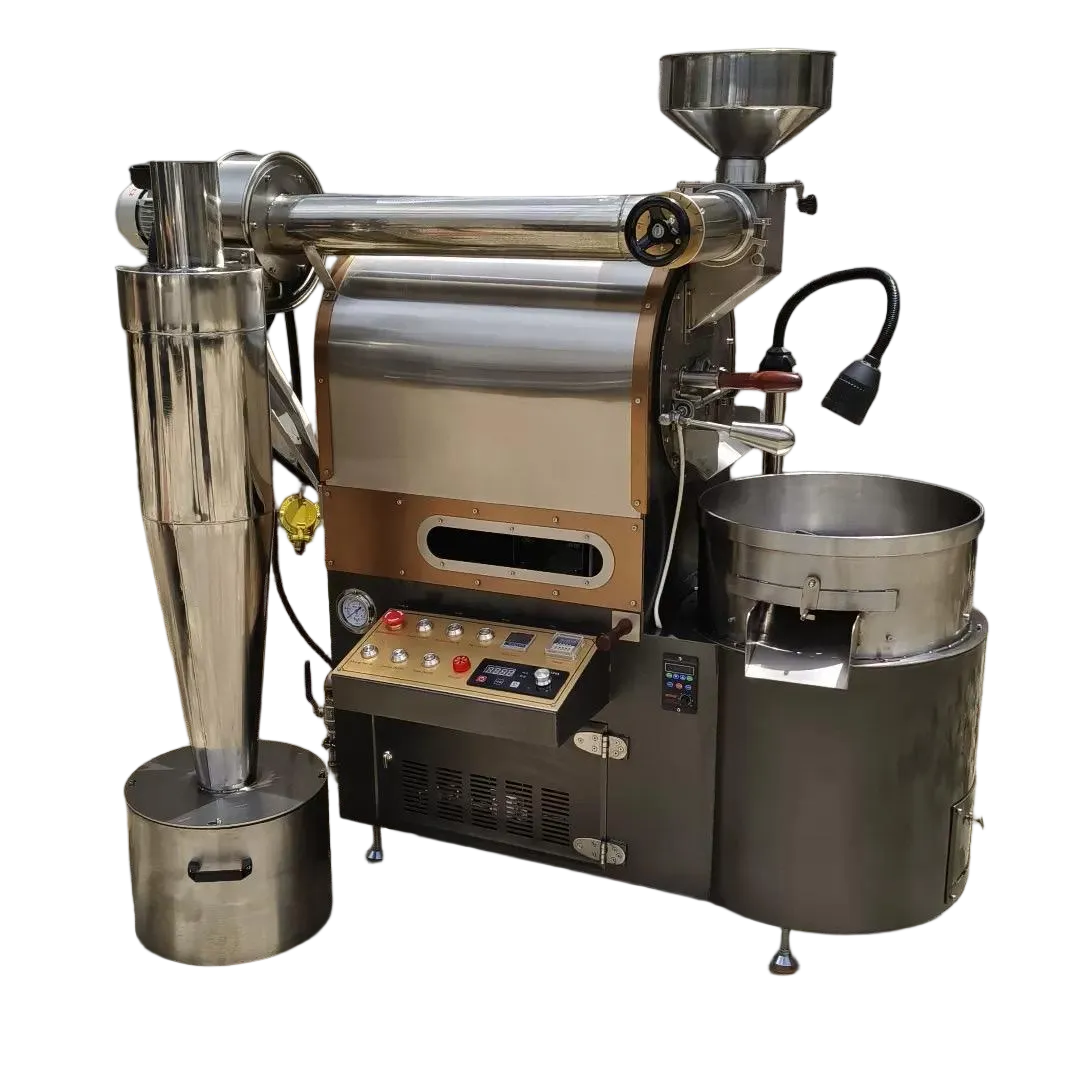
Featured Product – Yetinhon Coffee Bean Roaster
The Yetinhon coffee bean roaster is a top-rated option in the electric coffee roaster category. It supports both automatic and semi-manual modes, allowing new roasters to grow into full control over time.
✅ Available in various batch sizes (1kg–120kg)
✅ Digital LCD control panel
✅ Optional fluid bed roasting system
Looking for the best commercial coffee roaster for your next upgrade? The Yetinhon line offers a balance of precision, flexibility, and affordability.
1. Ease of Use
Fully Automatic Roasters are designed for convenience. They often come with pre-programmed roasting profiles, real-time temperature monitoring, and automatic cooling systems. Even beginners can produce consistent roast levels with minimal effort.
Manual Roasters require hands-on control of temperature, airflow, and timing. They demand experience and attention throughout the process, making them more suitable for skilled roasters who want full control over every roast variable.
2. Roasting Consistency
Automatic machines deliver highly consistent results thanks to precise control systems and sensors. This is ideal for businesses that need uniform flavor profiles across batches.
Manual machines can produce unique and artisanal results, but consistency may vary depending on the operator’s skill and environmental factors.
3. Customization & Control
Manual roasters offer more flexibility for custom roast profiles. Roasters can adjust heat, drum speed, and airflow in real-time, ideal for specialty or experimental batches.
Automatic roasters limit customization to programmed settings, although higher-end models may offer adjustable profiles through digital interfaces.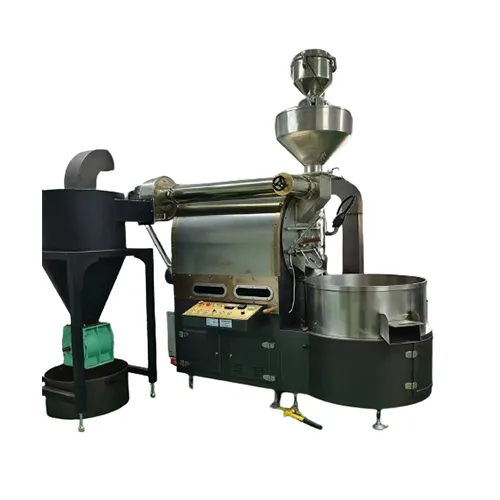
4. Time & Labor
Automatic roasters save time and reduce labor costs. Operators can focus on other tasks while the machine handles the roast cycle.
Manual roasters are labor-intensive and time-consuming. The operator must stay alert throughout the entire roasting process.
5. Cost & Investment
Manual roasters are generally more affordable, making them a good choice for hobbyists or startups.
Fully automatic machines cost more upfront but provide long-term value through efficiency, scalability, and lower labor needs.
| Feature | Fully Automatic Roaster | Manual Roaster |
| Ease of Use | Plug-and-play operation | Hands-on control required |
| Consistency | High consistency, repeatable results | Varies with skill |
| Customization | Limited (pre-programmed profiles) | Full real-time control |
| Labor & Time | Minimal attention needed | Labor-intensive |
| Ideal For | Commercial roasting, cafés | Small batches, artisan roasting |
| Cost | Higher initial investment | Budget-friendly |
Related News




Contact US
Product Information
Quantity
Unit
Piece
Support order samples, customization, wholesale direct, and complete payment. If the product you look for does not have corresponding customized content, pls fill out the form below to contact us, and we will reply ASAP.