Welcome to Yetinhon

Global Coffee Roasting Preferences Flavor
Global Coffee Roasting Preferences Flavor
 28 Apr
Global Coffee Roasting Preferences Flavor
Coffee is more than just a beverage; it’s a culture, a ritual, and a reflection of taste across the world. One of the most important factors shaping a cup of coffee’s flavor is the roast level. Different countries — influenced by history, tradition, and even climate — have developed distinct preferences for how coffee beans are roasted. Some love a light, floral cup, while others crave the dark, smoky intensity of a bold roast.
Today, let's embark on a journey exploring the roasting styles and flavor preferences in different countries around the globe.
1. United States: Diversity and Innovation
The United States doesn’t have a single coffee roasting preference — it has many. From the Pacific Northwest to the East Coast, America’s coffee culture is diverse.
In general, specialty coffee shops lean toward lighter roasts that highlight the origin characteristics: fruity acidity, floral notes, and complexity. This is especially true in cities like Seattle, Portland, and San Francisco, where the "Third Wave" coffee movement promotes coffee as an artisanal product.
However, traditional American preferences still linger, particularly with brands like Starbucks, which popularized darker, oilier roasts described as "bold" and "smoky." Thus, American coffee roasting preferences are a balancing act between light, origin-driven profiles and dark, strong flavors.
Typical flavors loved: Berry acidity, caramel sweetness, chocolate richness, smoky depth.
2. Italy: The Home of Dark Roasts
Italy and coffee are almost synonymous. Here, dark roasts reign supreme. Italians typically prefer a full-bodied, robust espresso with low acidity and deep, bittersweet chocolate flavors.
This preference traces back to the espresso machine's invention in Italy and the tradition of drinking short, strong coffee shots standing at a bar. Lighter roasts are virtually non-existent in traditional Italian coffee culture.
The roasting method emphasizes richness, body, and crema (the foamy layer on espresso), rather than delicate fruity notes.
Typical flavors loved: Dark chocolate, toasted nuts, caramel, smoky undertones.
3. Scandinavia: The Kingdom of Light Roasts
Scandinavia — including Sweden, Norway, Finland, and Denmark — has some of the highest coffee consumption rates in the world. They also have a distinctive love for very light roasts.
In places like Oslo and Stockholm, roasters focus on bringing out the purest flavors of the coffee bean. Light roasting preserves acidity and allows unique tasting notes like citrus, berries, and florals to shine.
This is partly influenced by the "Nordic roasting style," which seeks maximum transparency and sweetness.
Typical flavors loved: Citrus, red berries, jasmine, tea-like clarity.
4. Japan: Precision and Balance
In Japan, coffee culture is about precision, ceremony, and harmony. Japan’s specialty coffee scene is highly refined, often valuing medium to medium-dark roasts.
Japanese roasters carefully balance origin characteristics with the warmth and body added by roasting. Rather than extremes, Japanese coffee often offers a gentle complexity — bright but not sour, rich but not heavy.
The pour-over method, especially using devices like the Hario V60, is hugely popular, allowing meticulous control over the brewing process.
Typical flavors loved: Stone fruits, almond sweetness, gentle acidity, silky mouthfeel.
5. Australia and New Zealand: Bright and Clean
Australia and New Zealand have a booming specialty coffee scene, often leading global trends in café culture. Here, lighter to medium roasts dominate.
The goal is a clean, sweet, and bright cup that pairs well with milk (think flat whites and lattes) but also tastes excellent black.
Quality and freshness are top priorities, and there's a strong emphasis on ethical sourcing and traceability.
Typical flavors loved: Milk chocolate, honey, tropical fruits, delicate florals.
6. France: Tradition with a Toasted Twist
French coffee culture is deeply rooted in tradition, especially café culture — think outdoor seating, croissants, and small cups of coffee.
The typical French roast is darker than what you’d find in Scandinavia but not as smoky as Italian roasts. It tends toward a bold, toasted flavor profile, often with notes of bittersweet chocolate and roasted nuts.
Acidity is generally low, and body is preferred.
Typical flavors loved: Roasted nuts, bittersweet chocolate, hints of spice.
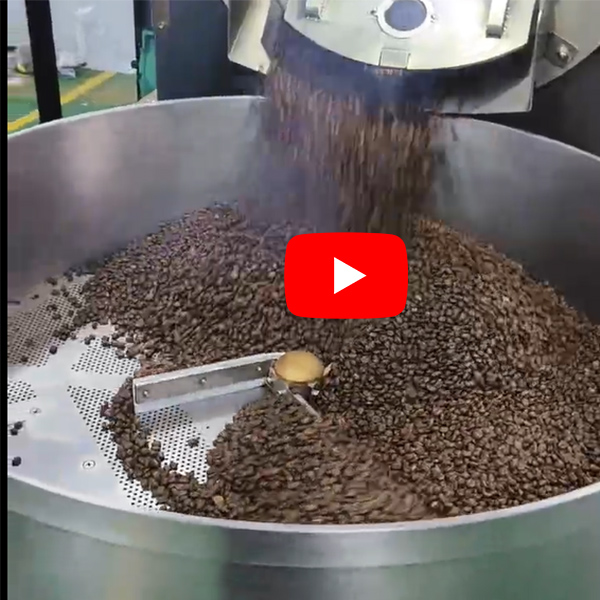
Mass Capacity Industry Coffee Roasting
7. Brazil: Comfort and Sweetness
As the world's largest coffee producer, Brazil has a unique relationship with coffee. Locally, Brazilians prefer medium to dark roasts that emphasize sweetness, low acidity, and a creamy mouthfeel.
In Brazil, coffee is often enjoyed strong and sweet (sometimes with a lot of sugar). The beans themselves tend to produce chocolatey, nutty, and occasionally fruity flavors even without aggressive roasting.
Typical flavors loved: Milk chocolate, peanuts, brown sugar, subtle fruitiness.
8. Turkey: Deeply Roasted and Finely Ground
Turkish coffee is not just a drink; it’s an ancient tradition. Coffee is roasted dark and finely ground almost to a powder.
Brewing involves simmering coffee grounds with water (and often sugar) in a special pot called a cezve. The result is a strong, thick coffee with a deep, slightly gritty texture and a very rich flavor.
The roast level is quite dark to complement the brewing method, which does not filter out solids.
Typical flavors loved: Earthy, dark chocolate, strong toasted notes, sometimes slightly spicy.
9. Ethiopia: Heritage and Brightness
Ethiopia, often considered the birthplace of coffee, has an ancient coffee culture. Traditional Ethiopian coffee ceremonies involve roasting green beans on-site, grinding them by hand, and brewing them slowly.
Flavor preferences lean toward lighter roasts that highlight the unique characteristics of Ethiopian beans — floral, fruity, complex, and vibrant.
In modern cafés, light to medium roasts are common to bring out these natural flavors.
Typical flavors loved: Blueberry, jasmine, bergamot, citrus zest.
10. Korea: Fast-Rising Coffee Culture
South Korea's coffee culture has exploded in the last two decades. From tiny specialty cafés to major chains, coffee is everywhere.
Younger generations have developed a taste for lighter roasts that showcase fruity and floral notes, often influenced by international trends. However, there's still a strong market for smooth, medium roasts that work well in milk-based drinks like lattes and sweet coffee beverages.
Related News










Contact US
Product Information
Quantity
Unit
Piece
Support order samples, customization, wholesale direct, and complete payment. If the product you look for does not have corresponding customized content, pls fill out the form below to contact us, and we will reply ASAP.