Welcome to Yetinhon

How is commercial coffee roasted?
How is commercial coffee roasted?
 24 Oct
Preheating: Before the beans hit the roaster, the machine is preheated to ensure a consistent starting temperature.
Drying Phase: This initial stage, lasting about 6 to 8 minutes, sees the beans lose moisture. They change from green to yellow, expand slightly, and become lighter in weight but less dense. The temperature typically ranges from 320°F to 350°F (160°C to 175°C).
Maillard Reaction: As the temperature rises (around 350°F to 400°F or 175°C to 205°C), the Maillard Reaction kicks in, creating new flavor compounds. The beans start to brown, and their density increases.
First Crack: A critical point in roasting, the beans expand and emit a cracking sound due to the pressure building inside. The color deepens, approaching a light roast, typically around 380°F to 420°F (195°C to 215°C).
Development Phase: After the first crack, the beans continue to roast, deepening in flavor. The roaster adjusts time and temperature based on the desired outcome, usually around 430°F to 450°F (220°C to 230°C) for a medium roast.
Second Crack: For darker roasts, the beans experience a second crack, where they become even darker and oilier. This stage occurs at temperatures around 465°F to 485°F (240°C to 250°C).
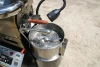
Cooling: Post-roasting, beans are quickly cooled to halt the roasting process. This can be done with air or water, with air cooling using a blast of cold air and water cooling using a mist to rapidly drop the bean temperature.
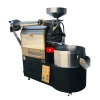
Yetinhon High-Performance Commercial Coffee Roaster, available in gas or electric, features independent roasting and cooling functions that reduce cycle times to just 3-5 minutes. This rapid cooling technique preserves aroma and flavor, ensuring consistently superior roast quality.
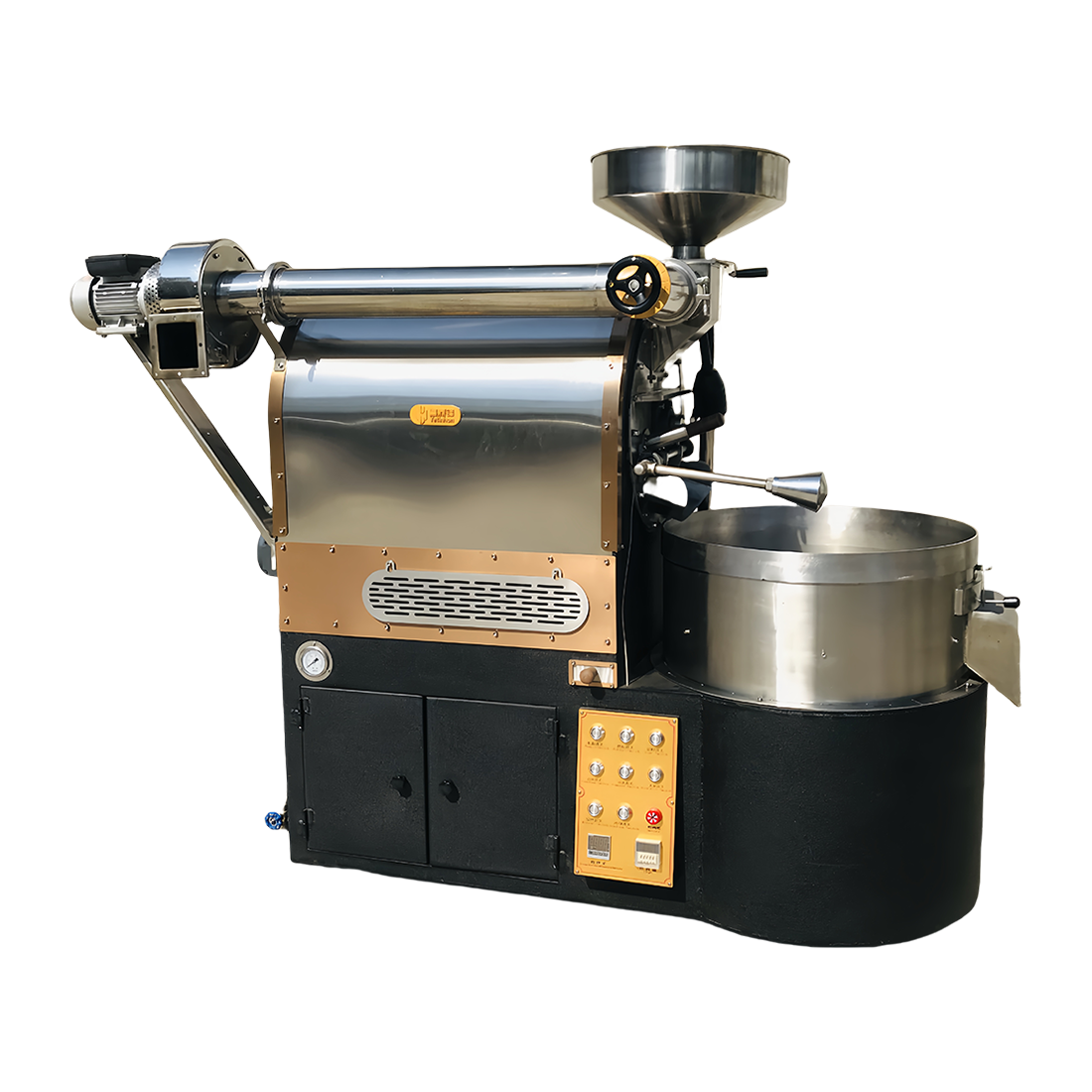
Roasters come in two main types: drum roasters and fluid bed roasters. Drum roasters use both conduction and convection, while fluid bed roasters rely solely on convection, providing a more even and faster roast that minimizes the risk of burning.
Related News






Contact US
Product Information
Quantity
Unit
Piece
Support order samples, customization, wholesale direct, and complete payment. If the product you look for does not have corresponding customized content, pls fill out the form below to contact us, and we will reply ASAP.