Welcome to Yetinhon

How to Install a Commercial Coffee Roaster: An Expert Guide for Cafés and Roasting Facilities
How to Install a Commercial Coffee Roaster: An Expert Guide for Cafés and Roasting Facilities
 25 Sep
How to Install a Commercial Coffee Roaster: An Expert Guide for Cafés and Roasting Facilities
By Yetinhon Coffee Equipment Team — September 25, 2025
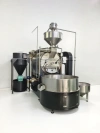
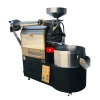
Launching or expanding a coffee roasting business begins with one critical step: installing a commercial coffee roaster. Whether you’re setting up a compact operation with a small commercial coffee roaster or equipping a large facility with a state-of-the-art commercial coffee roasting machine, a thoughtful installation ensures consistent roast quality, safety, and long-term equipment reliability.


Understanding Your Roaster Options
Before you lift a single wrench, confirm that you have selected the right equipment. The market offers a wide range of machines—each with its own installation requirements:
- Commercial coffee roaster machine – Ideal for medium to large cafés or wholesale operations.
- Commercial coffee bean roaster – Focused on batch consistency and high-volume production.
- Coffee roaster machine commercial – A broad category that includes drum, fluid-bed, and air roasters.
- Commercial drum coffee roaster – Known for traditional roasting profiles and rich caramelization.
- Commercial air coffee roaster – Uses hot air for cleaner, brighter flavor notes.
- Commercial electric coffee roaster – Perfect where gas lines are impractical.
Brands such as Yetinhon Coffee Roasters supply a full spectrum of equipment—from best commercial coffee roaster machine models to commercial coffee roaster equipment tailored for boutique shops.
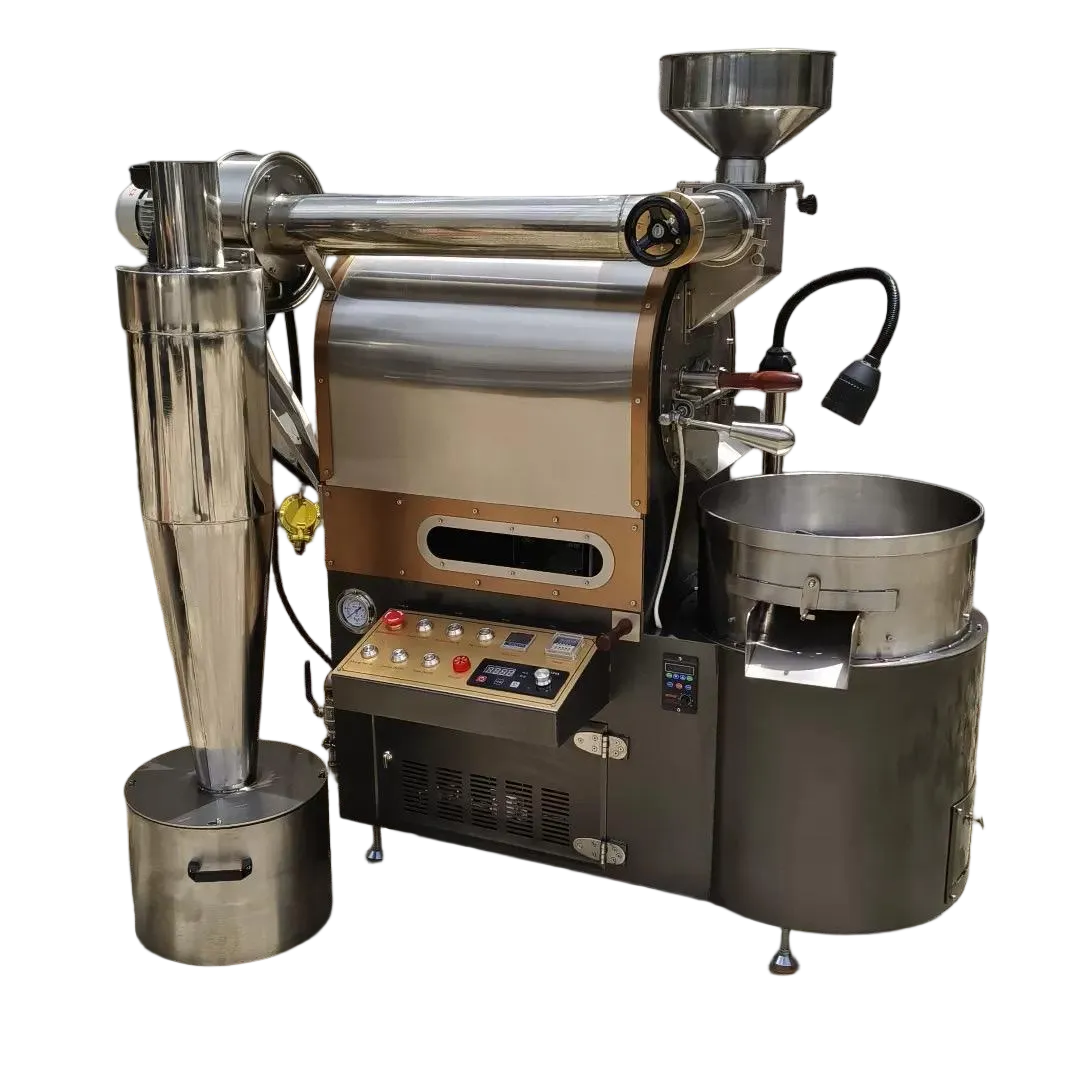
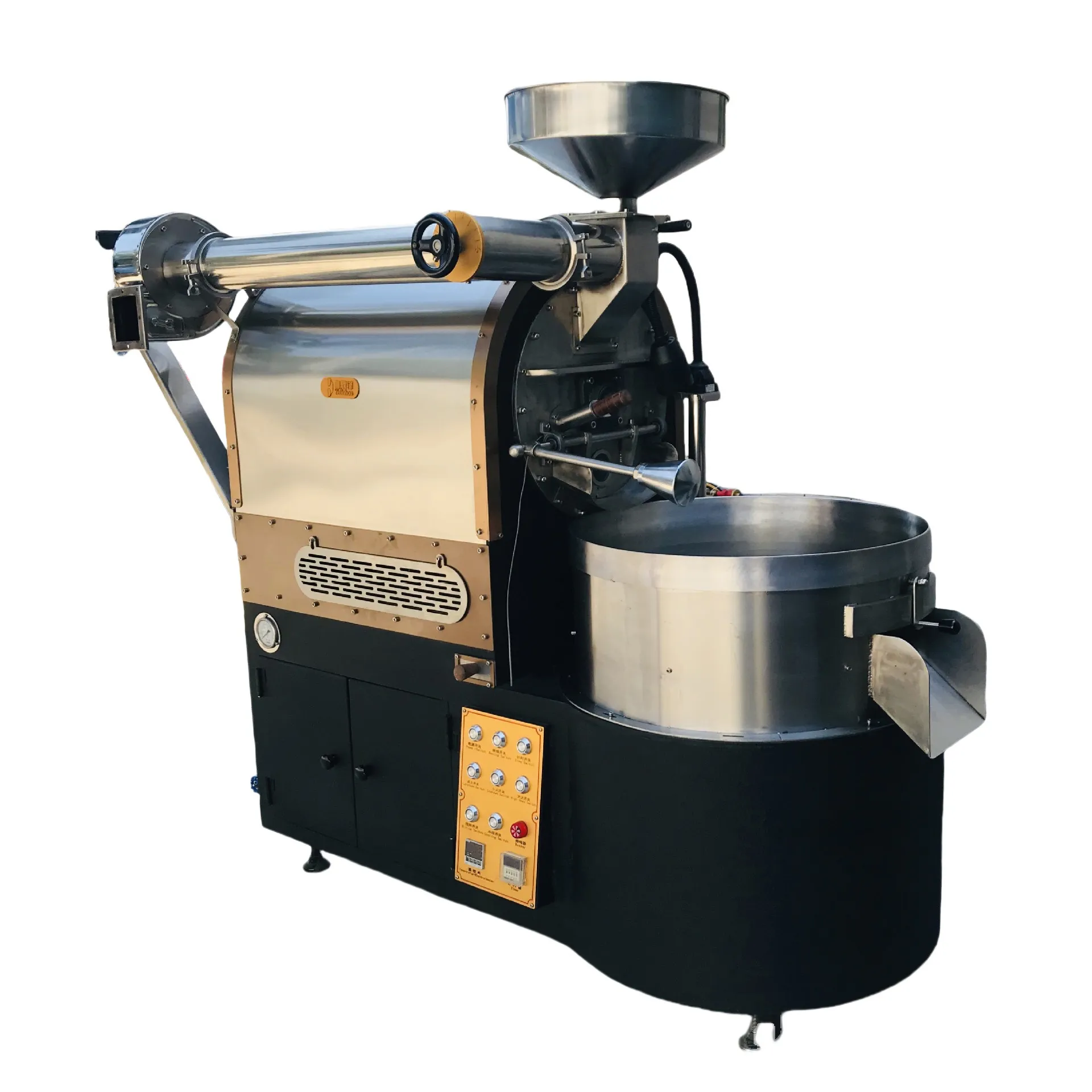
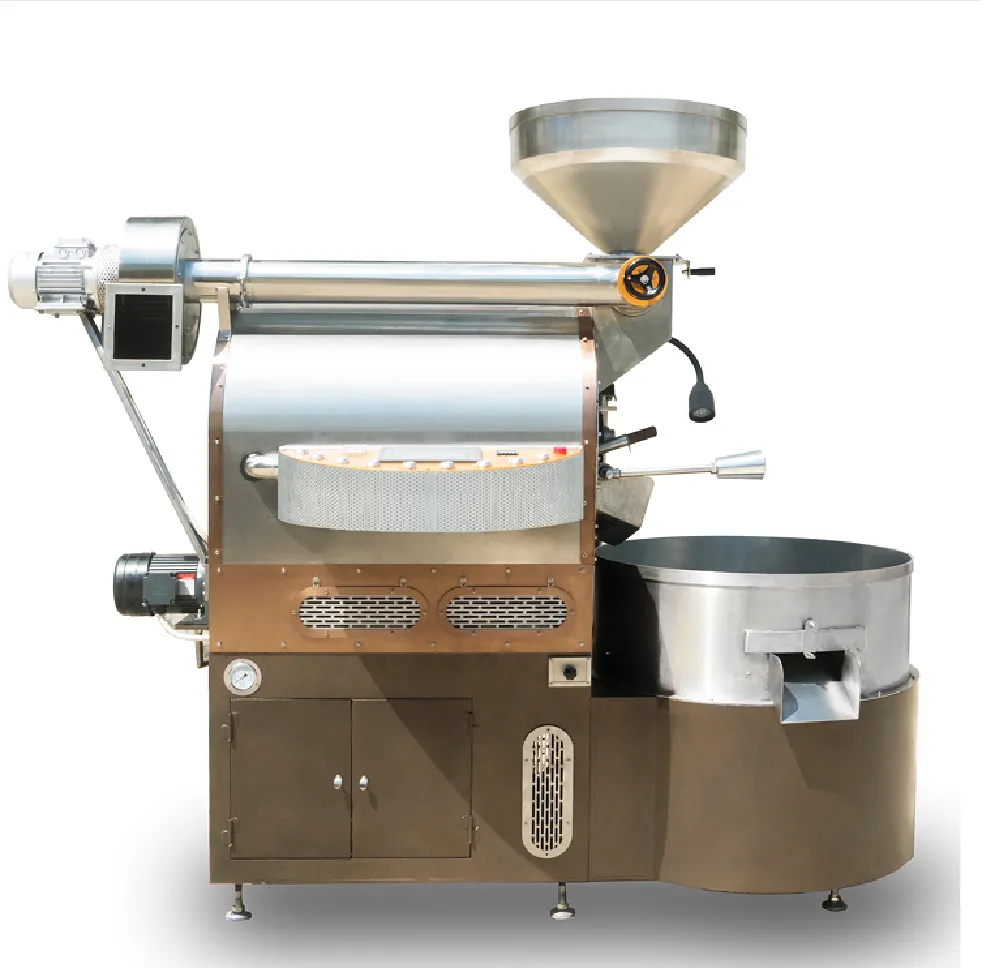
Site Preparation and Compliance
A professional installation begins with careful site planning:
1.Space and Ventilation
Measure twice, move once. Allow clearance for maintenance and airflow. A coffee roasting machine commercial setup generates heat and smoke; you’ll need industrial-grade ventilation and a flue system that meets local codes.
2.Power and Fuel
Depending on the model—gas, electric, or hybrid—ensure the proper connections. A commercial electric coffee roaster demands stable voltage, while gas roasters require certified piping and shut-off valves.
3.Flooring and Support
Even a small commercial coffee roaster weighs hundreds of kilograms. Reinforce flooring to handle the static load and vibration.
4.Permits and Fire Safety
Local regulations often call for permits, fire suppression systems, and routine inspections. Work with licensed contractors familiar with commercial food-service installations.

Step-by-Step Installation
Positioning the Roaster
Place the machine on a level surface with easy access for maintenance. Maintain clearance around the chaff collector and exhaust points.
Ventilation Setup
Connect the roaster’s exhaust to your pre-installed ductwork. For large commercial coffee roasting equipment, consider double-walled stainless ducts to maintain temperature control and reduce condensation.
Electrical and Gas Hook-Up
Have a certified electrician or plumber complete all connections. For commercial coffee roaster machines for sale that are electric, verify the breaker size and amperage. Gas units require leak testing before the first roast.
Calibration and Test Roasts
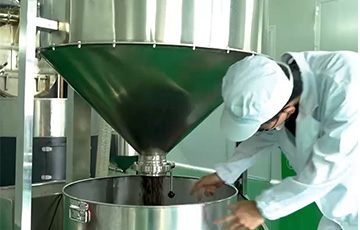
After installation, run several test batches. Adjust airflow, drum speed, and heat application to match your desired roast profile. Even the best commercial coffee roaster needs fine-tuning in its new environment.
Operational Tips for Long-Term Success
- Routine Cleaning – Remove chaff daily and deep-clean the drum weekly to prevent buildup.
- Preventive Maintenance – Inspect bearings, motors, and belts regularly. Used commercial coffee roaster units may need extra attention.
- Consistent Green Bean Supply – Quality green coffee is as vital as the roaster itself. Maintain relationships with trusted importers.
Why Professional Installation Matters
Installing a commercial coffee roaster for sale on your own can risk safety, void warranties, and lead to inconsistent roasts. Certified technicians—often recommended by manufacturers like Yetinhon Coffee Roasters—ensure your equipment meets factory specifications and local codes.
Choosing the Right Partner,
Comprehensive Training – From basic operation to advanced profile development.
After-Sales Support – Readily available spare parts and technical assistance.
Flexible Options – Everything from coffee roaster for commercial use units to commercial coffee roasting machines with advanced automation.
Conclusion
A properly installed roaster is the backbone of any successful coffee business. By investing in quality equipment—whether a commercial coffee roaster machine commercial, a coffee bean roaster commercial, or a commercial coffee roasting equipment for sale—and working with experienced professionals, you safeguard product consistency, employee safety, and long-term profitability.
For cafés, micro-roasters, and large production facilities alike, the path to exceptional coffee starts long before the first batch. It begins with meticulous planning, the right equipment, and expert installation—ensuring every cup you serve reflects the craft and care that true coffee lovers expect.
Add: No. 1 Hengping Road, Bao’an Community, Yuanshan Street, Longgang District, Shenzhen, China

Related News




Contact US
Product Information
Quantity
Unit
Piece
Support order samples, customization, wholesale direct, and complete payment. If the product you look for does not have corresponding customized content, pls fill out the form below to contact us, and we will reply ASAP.