Welcome to Yetinhon

How to Start a Coffee Roasting Business: Expert Insights and Equipment Guide
How to Start a Coffee Roasting Business: Expert Insights and Equipment Guide
 05 Sep
How to Start a Coffee Roasting Business: Expert Insights and Equipment Guide
By Yetinhon Coffee Equipment Team — September 5, 2025
In recent years, coffee roasting has shifted from an industrial, behind-the-scenes process to a highly visible craft that drives customer loyalty and premium pricing. For entrepreneurs and café owners, starting a coffee roasting business is no longer a niche dream—it’s a profitable opportunity backed by growing global demand for specialty coffee.
According to the International Coffee Organization, the specialty coffee market is expanding at an annual rate of over 7%. This growth is driven by consumer demand for traceable, high-quality beans with distinct flavor profiles. Small-batch roasting is at the center of this trend, giving business owners the chance to control quality, experiment with origins, and build a brand around craftsmanship.
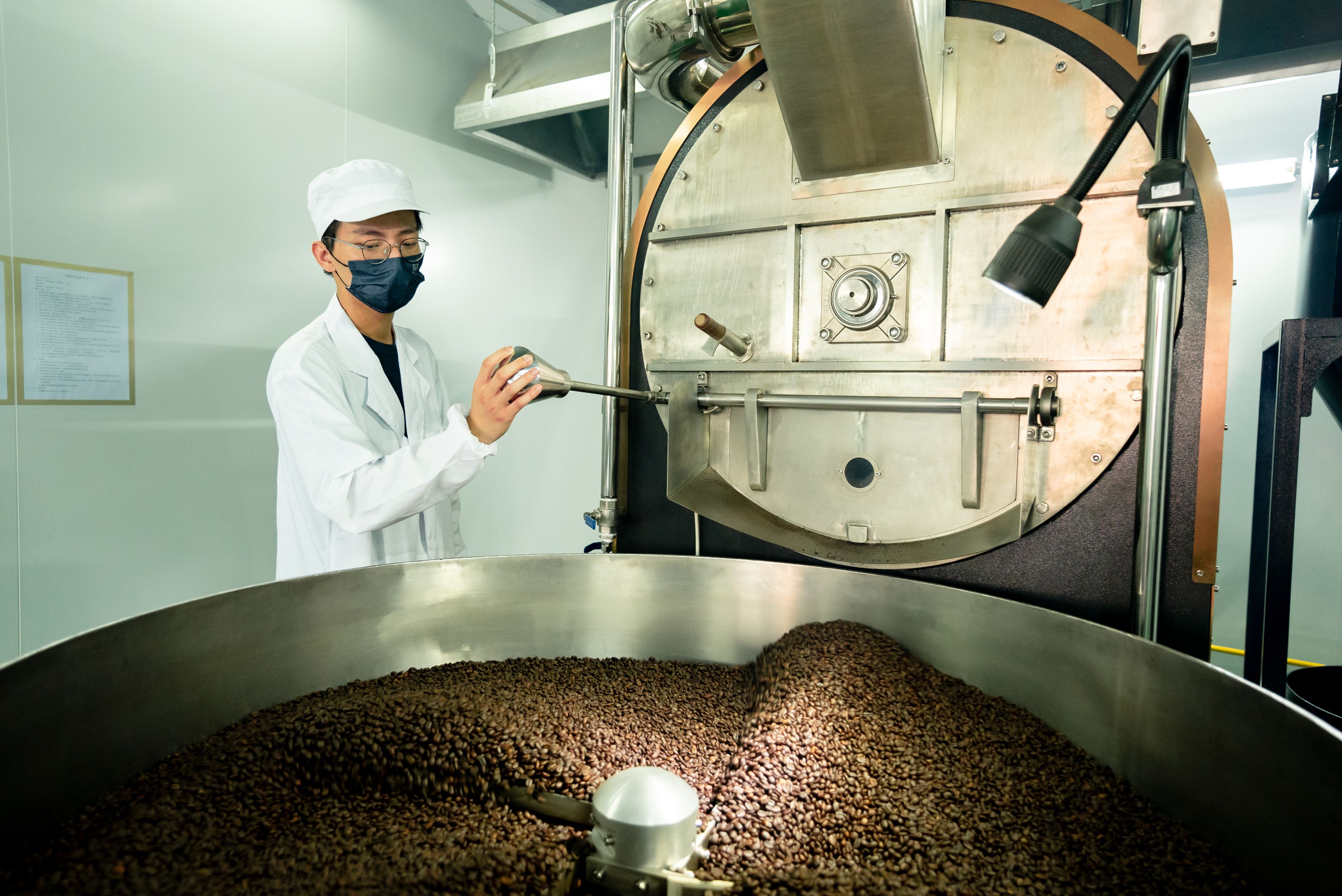
The Market Opportunity for Small-Batch Roasting
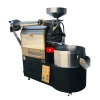
In the past, only large commercial facilities could afford coffee roasting equipment. Today, the rise of the best small commercial coffee roaster and small batch commercial coffee roaster models has opened the door for independent entrepreneurs, boutique cafés, and even coffee trucks to roast their own beans.
Small-batch roasting offers several advantages:
-
Quality Control – Roasters can fine-tune profiles to highlight specific flavor notes.
-
Brand Differentiation – Unique blends and single-origin offerings can set a business apart.
-
Fresher Coffee – Customers experience peak flavor just days after roasting.
-
Higher Margins – In-house roasting reduces reliance on third-party suppliers.
In markets like North America, Europe, and Asia, customers are increasingly willing to pay more for fresh-roasted coffee with a story behind it.

Key Steps to Start a Coffee Roasting Business
While passion for coffee is essential, success in roasting requires careful planning. Industry experts recommend the following steps:
-
Research Your Market
Understand your target audience—office supply, retail, wholesale, or direct-to-consumer. Identify competitors and gaps in the market. -
Secure a Location
Ensure the site meets ventilation, zoning, and fire safety regulations. Some roasters operate from shared commercial kitchens or warehouse spaces to reduce costs. -
Choose the Right Equipment
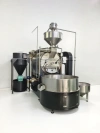
This is the backbone of your operation. Investing in a best small commercial coffee roaster ensures consistent quality and reliability. For those starting small, a small batch commercial coffee roaster (1–6 kg capacity) offers flexibility without sacrificing control. -
Source Green Coffee Beans
Build relationships with importers or buy directly from farms for traceability. -
Develop Roast Profiles
Use test batches to perfect flavor, aroma, and body. Record your settings for repeatability. -
Build a Brand and Marketing Strategy
Create packaging that reflects your story, values, and quality commitment. Use social media, tastings, and partnerships to grow your reach.
Comply with Regulations
Obtain necessary permits for food production, fire safety, and emissions control.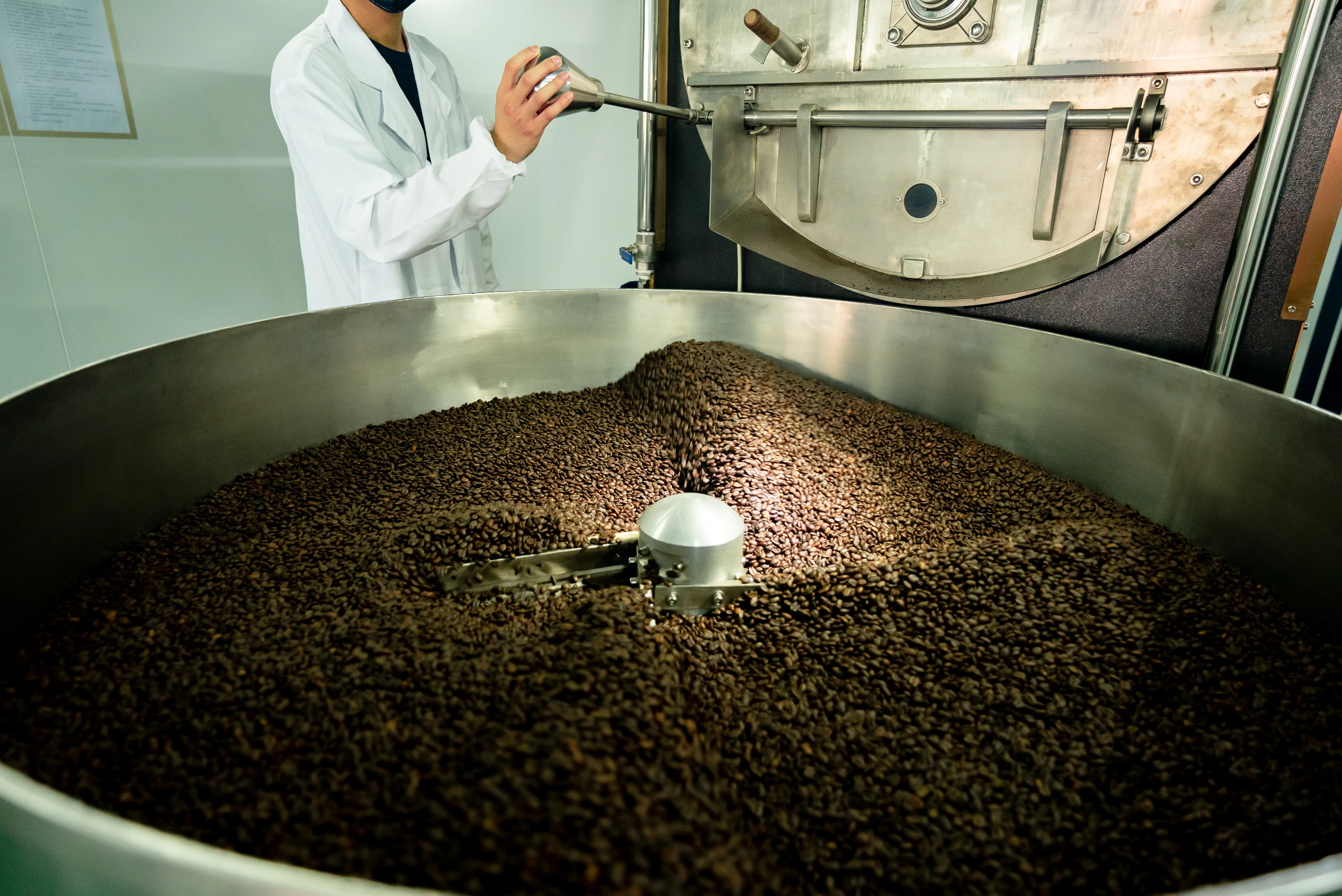
Case Study: From Café Owner to Coffee Roaster
In Melbourne, Australia, Sarah Lee started her café in 2018, sourcing roasted beans from a local supplier. By 2023, rising costs and customer requests for unique blends pushed her to invest in a small batch commercial coffee roaster from Yetinhon.
“Within six months, our coffee sales increased by 35%,” Lee says. “Customers love our house blend, and we’ve even started selling beans online. The control we have over flavor and freshness has transformed our business.”
This shift from coffee buyer to coffee roaster has given Lee higher profit margins and greater creative control—key advantages for any coffee entrepreneur.
Future Trends in Coffee Roasting
Experts predict that the demand for specialty coffee will continue to grow, with more cafés and small businesses adopting roasting as part of their brand identity. Sustainability will also play a bigger role, with roasters seeking energy-efficient machines and ethically sourced beans.
Technology is another driver. Advanced roast profiling software, automation features, and data tracking are making it easier for even small businesses to produce café-quality coffee consistently.
Final Thoughts
Starting a coffee roasting business in 2025 is more accessible than ever. With market demand, affordable high-quality equipment like the best small commercial coffee roaster, and support from experienced manufacturers such as Yetinhon, entrepreneurs have the tools they need to succeed.
Whether you begin with a small batch commercial coffee roaster for a café or scale up to larger production, the path to building a profitable and sustainable coffee brand starts with knowledge, quality, and consistency.
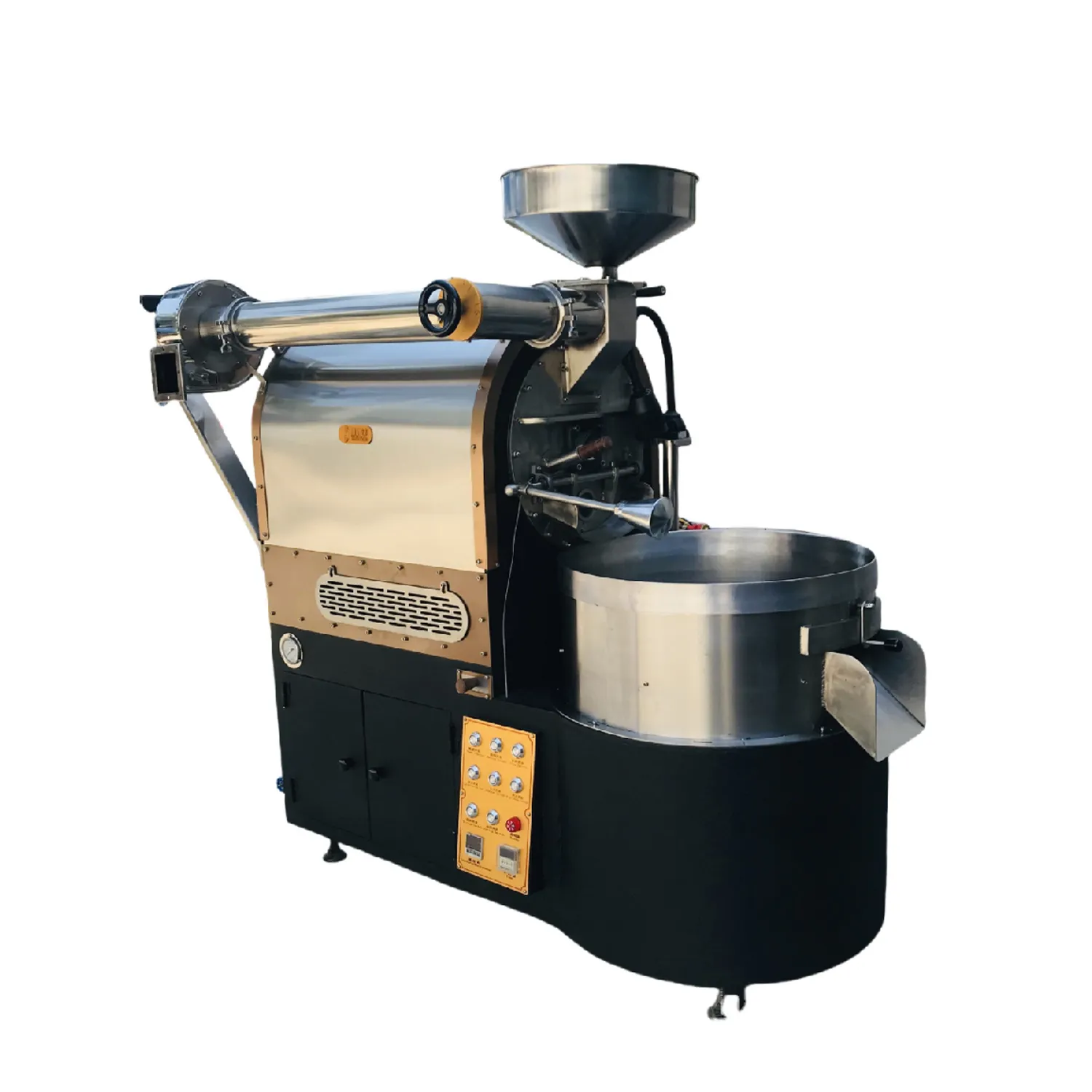

About Yetinhon
Founded in 2003, Yetinhon specializes in commercial coffee roasting equipment, serving clients in over 60 countries. Their commitment to precision engineering, food-grade materials, and customer support makes them a trusted partner for coffee businesses worldwide.
For more information, visit www.yetinhon.com
Add: No. 1 Hengping Road, Bao’an Community, Yuanshan Street, Longgang District, Shenzhen, China

Related News




Contact US
Product Information
Quantity
Unit
Piece
Support order samples, customization, wholesale direct, and complete payment. If the product you look for does not have corresponding customized content, pls fill out the form below to contact us, and we will reply ASAP.