Welcome to Yetinhon

How to Start a Coffee Roasting Business: A Complete Guide for 2025
How to Start a Coffee Roasting Business: A Complete Guide for 2025
 12 Sep
How to Start a Coffee Roasting Business: A Complete Guide for 2025
By Yetinhon Coffee Equipment Team — September 12, 2025
The global coffee industry has been undergoing a transformation over the past decade, and one of the fastest-growing segments is coffee roasting. With specialty coffee consumption on the rise and consumers increasingly seeking transparency, freshness, and unique flavor profiles, entrepreneurs are turning their attention to starting coffee roasting businesses.
But how exactly does one launch a successful coffee roasting business in 2025? From choosing the right equipment to building a brand that resonates with today’s informed consumers, the journey requires careful planning, investment, and a passion for coffee.

The Rising Demand for Specialty Coffee
According to the International Coffee Organization, the specialty coffee market has been expanding at an average annual growth rate of more than 7%. In North America, Europe, and parts of Asia, consumers are shifting from mass-market coffee toward artisanal and freshly roasted beans.
“Freshness is king,” says James Carter, a coffee industry consultant based in Seattle. “People no longer want a bag of coffee that sat on a shelf for six months. They want to know who roasted it, when it was roasted, and what makes it unique.”
This shift has created an opportunity for small and medium-sized roasters to thrive. With relatively low entry barriers compared to large-scale manufacturing, starting a coffee roasting business can be both profitable and creatively rewarding.
Step 1: Defining Your Coffee Roasting Business Model
Before investing in equipment, entrepreneurs must clarify their business model. There are several approaches:
-
Wholesale roasting: Supplying coffee shops, offices, and restaurants.
-
Direct-to-consumer (DTC): Selling roasted beans online or via subscription models.
-
Retail + café model: Operating both a café and roasting facility.
-
Private label roasting: Roasting for other brands.
Each path requires different strategies, but all share one common foundation: quality roasting equipment.
Step 2: Choosing the Right Coffee Roaster
Selecting the right roasting machine is perhaps the most critical decision for new entrepreneurs. Different roasters deliver different results, and the choice impacts scalability, flavor consistency, and cost efficiency.
1. Commercial Air Coffee Roaster
Air roasters use hot air to roast coffee beans, delivering bright, clean flavors. They are ideal for small-batch specialty roasters who want precision and consistency. Compared to drum roasters, commercial air coffee roasters often provide faster roasting cycles and less smoke, making them more eco-friendly.
2. Commercial Automatic Coffee Roaster
For businesses seeking efficiency and scalability, a commercial automatic coffee roaster is indispensable. These machines integrate digital controls, programmable roast profiles, and automated cooling systems, allowing roasters to reproduce consistent flavors without extensive manual oversight. Automation also reduces the learning curve for new roasters entering the market.
3. Commercial Small Batch Coffee Roaster
Not every business needs to roast 100 kilograms at once. Many successful brands begin with a commercial small batch coffee roaster, typically ranging from 1kg to 6kg per roast. These machines allow for experimentation, flexibility, and the ability to create limited-edition offerings. They are perfect for micro-roasters, specialty cafés, and startups testing the market before scaling.
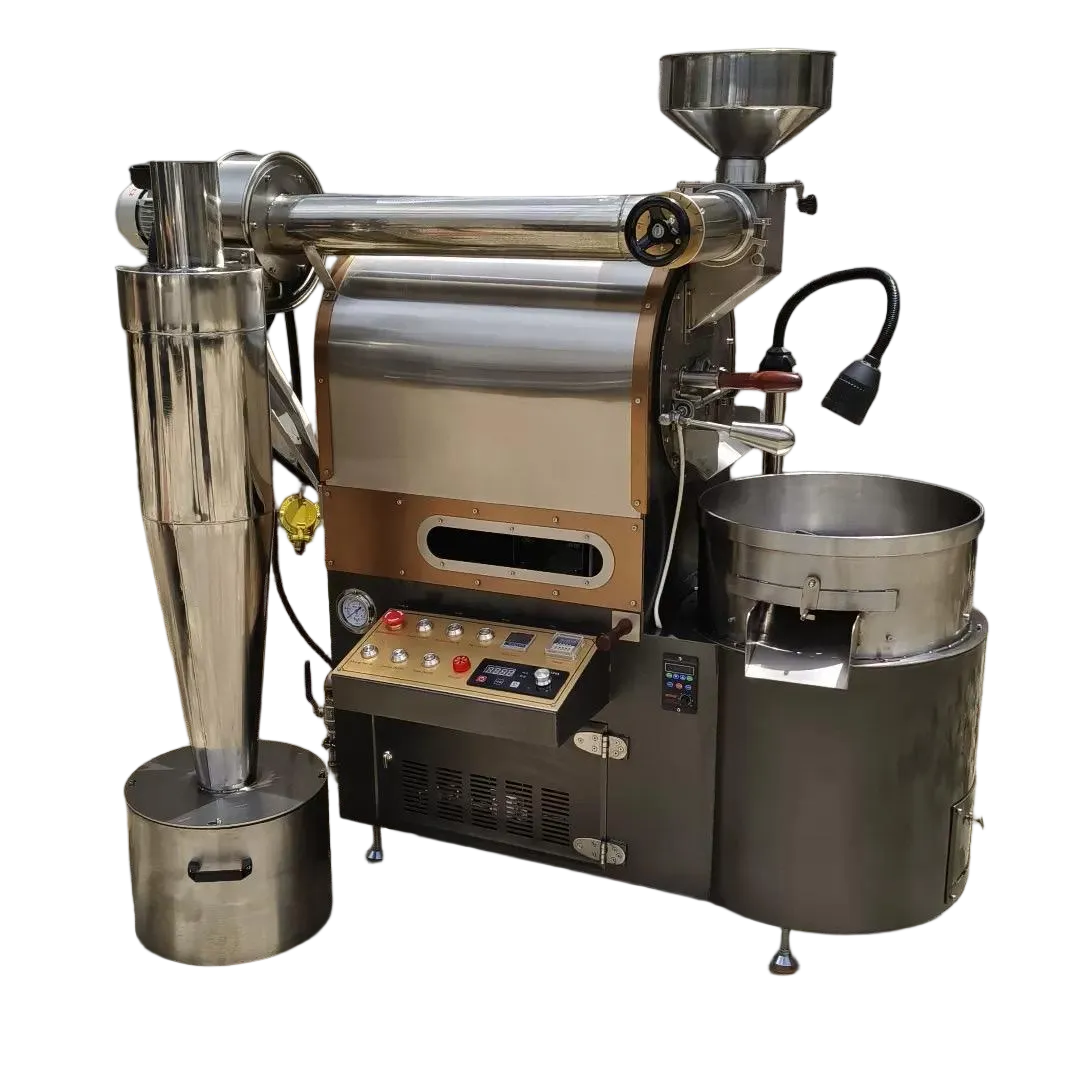
4. Yetinhon Commercial Coffee Roasters
One of the fastest-rising brands in the global roasting equipment industry is Yetinhon Commercial Coffee Roasters. Known for blending technology with craftsmanship, Yetinhon offers a wide range of solutions—from commercial small batch roasters to automatic large-capacity machines. Their roasters are equipped with intelligent temperature controls, energy-efficient heating systems, and user-friendly interfaces, making them a preferred choice among entrepreneurs worldwide.
“Yetinhon machines are built for precision and reliability,” notes Maria Lopez, founder of a boutique roastery in Mexico City. “As a small business, we needed equipment that could grow with us. Our Yetinhon roaster allowed us to start with 3kg batches and later scale up without changing brands.”
Step 3: Securing Green Coffee Supply
Great roasting starts with great beans. New roasters must establish relationships with importers, cooperatives, or direct trade farmers. Factors to consider include:
-
Origin and varietal selection
-
Cup profiles (fruity, nutty, chocolatey, floral)
-
Certifications (organic, fair trade, Rainforest Alliance)
-
Seasonal availability
Consistency in sourcing is crucial. A stable supply chain ensures customers receive the same flavor experience with every purchase.
Step 4: Building Your Roasting Facility
Setting up a roasting space requires more than just a roaster. Business owners must comply with local regulations, invest in proper ventilation systems, and create a workflow that allows for efficient roasting, cooling, packaging, and storage.
Key considerations:
-
Ventilation & exhaust systems to manage smoke and chaff.
-
Quality control stations with cupping tables and grinders.
-
Packaging equipment that maintains freshness.
-
Compliance with health and safety regulations.
Step 5: Branding and Marketing Your Roasted Coffee
In today’s competitive landscape, branding is as important as the beans themselves. Consumers want a story behind the product. Successful roasters invest in:
-
Brand identity: A clear logo, packaging, and mission statement.
-
Storytelling: Transparency about sourcing, roasting methods, and sustainability practices.
-
Online presence: A strong website, social media strategy, and e-commerce integration.
-
Community engagement: Hosting cupping sessions, collaborating with local cafés, and educating customers.
The Role of Technology and Automation
Modern roasting businesses are increasingly adopting technology to streamline operations. Features like automated roast profiling, cloud-based data tracking, and AI-driven consistency monitoring help reduce errors and ensure quality.
Yetinhon’s commercial automatic coffee roasters are an example of how automation can empower small businesses. Their machines allow operators to save roast curves, adjust airflow digitally, and replicate the exact roast profile across multiple batches.
Challenges in Starting a Coffee Roasting Business
While the opportunities are attractive, entrepreneurs should be mindful of challenges:
- Capital investment: High-quality commercial roasters and setup costs can be significant.
- Learning curve: Roasting coffee is both art and science, requiring practice.
- Competition: The specialty coffee space is crowded, so differentiation is key.
- Supply chain risks: Coffee is a global commodity subject to climate and political fluctuations.
Future Trends: Where the Industry is Headed
Industry experts predict that coffee roasting businesses will continue to grow, particularly those that emphasize sustainability, transparency, and innovation. Some notable trends include:
-
Eco-friendly roasting: Machines designed for lower emissions and energy efficiency.
-
Direct-to-farm relationships: Cutting out middlemen to ensure fair pricing.
-
Customizable subscription models: Personalized coffee experiences for consumers.
-
Automation and AI integration: Precision roasting with minimal human error.
Yetinhon, along with other leading manufacturers, is investing heavily in research and development to align with these trends.
Conclusion
Starting a coffee roasting business in 2025 is both challenging and rewarding. By carefully selecting the right equipment—whether it’s a commercial air coffee roaster, a commercial automatic coffee roaster, or a commercial small batch coffee roaster—entrepreneurs can position themselves for long-term success.
With brands like Yetinhon Commercial Coffee Roasters providing innovative solutions, aspiring roasters have more tools than ever before to bring their vision to life. Combined with strong sourcing strategies, creative branding, and a commitment to quality, the dream of owning a thriving roasting business is well within reach.
For those with passion, persistence, and the right equipment, the journey from green beans to roasted perfection has never been more accessible.
Add: No. 1 Hengping Road, Bao’an Community, Yuanshan Street, Longgang District, Shenzhen, China

Related News




Contact US
Product Information
Quantity
Unit
Piece
Support order samples, customization, wholesale direct, and complete payment. If the product you look for does not have corresponding customized content, pls fill out the form below to contact us, and we will reply ASAP.