Welcome to Yetinhon

Mastering the Roast: How to Operate a Coffee Roasting Machine Like a Pro
Mastering the Roast: How to Operate a Coffee Roasting Machine Like a Pro
 28 May
The smell of freshly roasted coffee beans is unmistakable—rich, warm, and deeply comforting. For coffee enthusiasts and professionals alike, roasting is both an art and a science. At the heart of this transformation lies the coffee roasting machine, a sophisticated piece of equipment that brings raw green coffee beans to aromatic perfection. As coffee culture grows worldwide, understanding how to operate a coffee roasting machine is becoming increasingly important, not only for large-scale producers but also for independent cafés and home roasters.
This article will explore the fundamental steps to using a coffee roasting machine, the key principles behind the roasting process, safety protocols, and the technology that drives this essential tool in the coffee industry.
1. Understanding the Basics of Coffee Roasting
Before diving into operation procedures, it’s crucial to understand what coffee roasting entails. Roasting is the process of applying heat to green coffee beans to initiate a series of chemical reactions. These reactions, known as the Maillard reaction and caramelization, create the complex flavors, aromas, and colors that define different roast profiles—from light and floral to dark and smoky.
There are three primary stages in roasting:
-
Drying phase: Moisture is removed from the beans, typically lasting 4–8 minutes.
-
Browning phase: Sugars begin to caramelize, and aroma compounds develop.
-
Development phase: Also known as the “first crack,” this is where the roast profile is finalized.
2. Types of Coffee Roasting Machines
Coffee roasting machines vary in size and design, but they fall into two main categories:
-
Drum Roasters: These use a rotating drum heated by gas or electric elements. They’re favored for even heat distribution and are commonly used in commercial settings.
-
Fluid Bed Roasters (Air Roasters): These use hot air to suspend and roast the beans, offering faster roast times and better clarity in flavor.
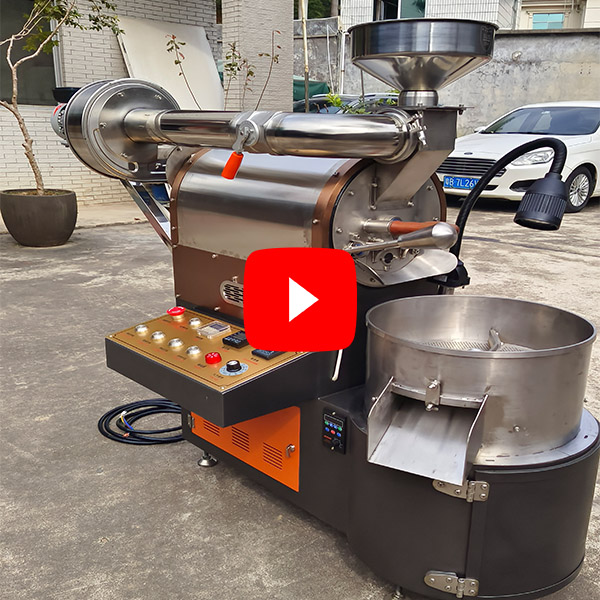
Regardless of the model, most roasters share core components:
-
Hopper (for loading green beans)
-
Drum or roasting chamber
-
Heating system (gas/electric)
-
Cooling tray
-
Exhaust or chaff collector
-
Control panel
3. Step-by-Step Guide to Operating a Coffee Roasting Machine
Operating a coffee roasting machine involves precise control of temperature, airflow, and timing. Here’s a general guide to using a drum roaster, which can be adapted to other types.
Step 1: Preheat the Roaster
Before adding beans, preheat the roasting drum to the desired starting temperature—typically between 180°C and 210°C (356°F–410°F). Preheating ensures consistency and reduces the risk of underdevelopment.
Step 2: Load the Green Beans
Once the machine reaches the set temperature, open the hopper and allow the green coffee beans to drop into the roasting chamber. Most machines automatically begin timing the roast at this point.
Step 3: Monitor the Roast
Watch and listen. During roasting, the beans will change color and emit cracking sounds:
-
First Crack: Beans make a popping sound, indicating they are entering the development phase.
-
Second Crack (for darker roasts): A softer crackling that indicates further internal changes.
Use the control panel to adjust:
-
Heat Input: Lower the flame or power as needed.
-
Airflow: Adjust to manage bean temperature and remove smoke.
-
Drum Speed: Ensure beans are evenly agitated.
Advanced machines may offer data logging and profile replication for consistency.
Step 4: Dump and Cool
Once the desired roast level is achieved, open the drum to dump the beans into the cooling tray. The cooling system (usually a fan and stirring arms) rapidly lowers the temperature to halt further roasting.
Step 5: Clean and Maintain
Remove chaff from the collector, clean filters, and wipe down surfaces after each roast to maintain machine efficiency and safety.
4. Safety Precautions and Best Practices
Operating a roasting machine involves high temperatures and flammable materials. Adhere to these safety tips:
-
Ventilation: Ensure proper airflow to remove smoke and carbon monoxide.
-
Fire Safety: Never leave the machine unattended during a roast. Keep a Class B fire extinguisher nearby.
-
Personal Protection: Use heat-resistant gloves, and avoid wearing loose clothing.
-
Routine Checks: Inspect burners, thermocouples, and exhaust systems regularly.
5. Troubleshooting Common Issues
Even experienced roasters encounter problems. Here are some typical issues and their fixes:
-
Uneven Roast: May be due to inconsistent drum speed or airflow. Adjust accordingly.
-
Baked Beans: If the roast develops too slowly, the flavor becomes flat. Increase heat earlier.
-
Scorched Beans: If heat is too high at the start, beans can burn on the outside. Lower initial temperature.
6. Automation and Modern Technology
Today’s coffee roasting machines are becoming increasingly sophisticated. Features such as programmable roast profiles, cloud-based control systems, and real-time data analysis allow operators to perfect consistency across batches. Brands like Probat, Diedrich, and Loring offer machines with smart controls, enabling users to adjust temperature curves, log roast data, and even monitor operations remotely.
7. From Bean to Brew: The Impact of Roasting
The roast level dramatically impacts the final cup. Light roasts tend to highlight acidity and origin characteristics. Medium roasts offer a balance of flavor and body, while dark roasts emphasize bitterness and deep caramel notes.
Mastering the coffee roasting machine allows artisans to tailor the roast to match the desired flavor profile, whether for espresso, pour-over, or cold brew.
Related News




Contact US
Product Information
Quantity
Unit
Piece
Support order samples, customization, wholesale direct, and complete payment. If the product you look for does not have corresponding customized content, pls fill out the form below to contact us, and we will reply ASAP.