Welcome to Yetinhon

Roasting Theory and Machine Performance
Roasting Theory and Machine Performance
 10 Apr
The Evolution and Impact of Coffee Roasters in the Specialty Coffee Industry
Introduction
Coffee culture has evolved significantly over the past decades, moving from a mass-produced commodity to an artisanal beverage experience. At the center of this transformation is the technology that shapes how coffee is processed, roasted, and consumed. Among the notable innovations from China is a high-precision roasting machine that has gained popularity in both domestic and international markets. This paper explores the origin, functionality, technical innovations, and broader implications of these advanced coffee roasters in the global coffee ecosystem.
1. Background and Emergence of Modern Chinese Coffee Roasters
In response to the growing demand for specialty coffee roasting in China and across Asia, domestic manufacturers began developing affordable, high-quality roasting equipment tailored to local needs. Over the past decade, China's coffee scene has expanded rapidly. According to data from the International Coffee Organization, consumption in China has grown annually at rates surpassing 15%, one of the fastest in the world.
This growth created a need for roasting machines that cater to small and medium-sized operations, including boutique roasteries and specialty coffee shops. Chinese manufacturers began offering reliable, precise, and cost-effective roasters that rivaled those from established Western brands.
2. Design and Technical Features
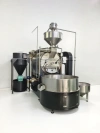
Modern drum roasters made in China combine traditional roasting mechanisms with contemporary digital controls. Their designs often include:
Double-walled drum systems for even heat distribution
Real-time heat and airflow controls that allow operators to fine-tune roast profiles
Digital interfaces with Bluetooth or Wi-Fi connectivity for logging data and overlaying roast curves
Dual temperature probes to monitor bean and exhaust temperatures
These features allow users to roast with a high degree of precision and repeatability, which is essential in specialty coffee production. The combination of advanced technology with competitive pricing has made these machines appealing to emerging coffee businesses.
3. Market Positioning
These Chinese coffee roasters serve a growing segment of the market—emerging specialty coffee entrepreneurs throughout Asia and beyond. which often come with high import costs, local options provide similar functionality at a lower price and with easier maintenance access.
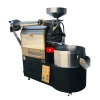
With models ranging from 1kg to 15kg capacity, these roasters are ideal for small-batch operations. Their compact footprint and aesthetically pleasing designs also make them suitable for cafés and retail environments where customers can watch the roasting process in action.
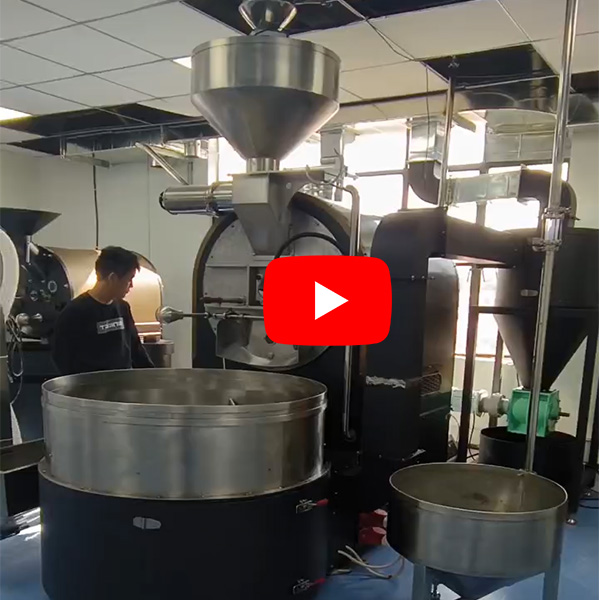
4. Roasting Theory and Machine Performance
Roasting is a delicate balance of chemistry, physics, and sensory judgment. It involves a progression through stages such as drying, Maillard reaction, caramelization, and finally, pyrolysis. The goal is to unlock the full flavor potential of green coffee beans.
Well-designed roasters from Chinese manufacturers provide:
Smooth heat control, preventing scorching or tipping
Adjustable airflow, influencing flavor clarity and development
Variable drum speed, ensuring consistent agitation and even roast development
Such flexibility allows roasters to craft complex, nuanced flavor profiles suitable for high-end beans like Ethiopian Yirgacheffe or Panama Gesha.
6. Challenges and Limitations
Despite their growing popularity, these machines face some challenges:
Language barriers in software interfaces for international users
Limited after-sales service in certain regions outside of Asia
Perception gaps, where some customers still associate Western brands with superior quality
Manufacturers are addressing these concerns by developing multilingual support systems, expanding global service networks, and pursuing international certifications like CE and UL.
7. Cultural and Economic Impact
The rise of high-quality Chinese coffee roasters reflects a larger shift in the global coffee supply chain. No longer simply consumers, Asian coffee markets are becoming innovators—contributing to equipment design, roasting technique, and even coffee cultivation.
Economically, these machines lower the barrier to entry for aspiring coffee entrepreneurs. Culturally, they support the development of diverse regional roasting styles and preferences, such as lighter, floral profiles favored in East Asia or the stronger, richer roasts preferred in Southeast Asia.
8. Future Outlook and Innovation Trends
The future of coffee roasting equipment in China and beyond may include:
AI-assisted roasting for real-time optimization
Eco-friendly features, such as energy recovery systems and reduced emissions
Modular designs, enabling easier customization and upgrades
Expanded international networks for parts, service, and training
These innovations will help domestic brands compete on the global stage while supporting the continued evolution of specialty coffee worldwide.
Conclusion
The emergence of advanced, affordable coffee roasting machines from China is transforming the specialty coffee landscape. By offering high-quality features at accessible prices, they empower a new generation of roasters and redefine the standards of coffee excellence. These machines not only support local businesses but also reflect the growing global influence of Asian coffee culture. As technology and market demand continue to evolve, these roasters will remain central to the next chapter of coffee’s story.
Related News




Contact US
Product Information
Quantity
Unit
Piece
Support order samples, customization, wholesale direct, and complete payment. If the product you look for does not have corresponding customized content, pls fill out the form below to contact us, and we will reply ASAP.