Welcome to Yetinhon

The Impact of Tariffs on China Equipment Manufacturer
The Impact of Tariffs on China Equipment Manufacturer
 17 Apr
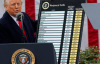
China raised tariffs on U.S. goods to 125% last Friday, and in retaliation for Trump's tariffs, the Trump administration actually raised tariffs on Chinese goods to 145%, while suspending plans to tax goods from other countries.
Levitt pointed out that "the president once again made it clear that he is open to a deal with China. But China needs to make a deal with the United States of America." It is worth noting that the White House issued a statement later on Tuesday saying that due to China's retaliatory actions, Chinese goods exported to the United States now face tariffs of up to 245%.
The Impact of Tariffs on China: Coffee Equipment Exports Under Pressure
In recent years, the shifting landscape of global trade has significantly impacted China's export industries. Among the sectors feeling the strain is the coffee equipment industry, which has faced mounting challenges due to evolving tariff policies, particularly from the United States. These tariffs have not only affected export volumes but also triggered broader changes in supply chains and corporate strategies.
1. Evolution and Impact of Tariff Policies
The trade tensions between China and the United States began escalating in 2018, leading to a series of tariff hikes on Chinese exports. Coffee machines, including drip and automatic types, were among the many consumer electronics caught in the crossfire.

2. Current State of China Coffee Equipment Exports
China remains one of the world's leading producers and exporters of coffee machines. In 2023, the country exported approximately 35.45 million drip coffee machines, reflecting a year-on-year increase of 4%. Of these, about 46% were shipped to the United States, underscoring the significance of the American market to Chinese manufacturers.
However, the imposition of additional tariffs has led to rising costs for both Chinese exporters and American importers. In response, some U.S. companies have begun sourcing coffee machines from alternative manufacturing hubs, such as Vietnam and Mexico, contributing to a slight shift in global supply chains.
3. Strategic Adjustments and Industry Response
To mitigate the effects of ongoing trade restrictions and tariffs, Chinese coffee equipment manufacturers have adopted several key strategies:
-
Capacity Relocation: Some companies have begun moving production facilities to Southeast Asian countries like Vietnam and Thailand. These regions offer lower labor costs and more favorable trade terms with the U.S.
-
Product Innovation and Upgrading: Manufacturers are increasing investment in research and development, focusing on high-end, fully automatic coffee machines that offer greater profit margins and are less price-sensitive. This helps companies reduce reliance on low-margin products that are more vulnerable to tariff impacts.
-
Market Diversification: To reduce dependency on the U.S., exporters are expanding into new markets in Europe, the Middle East, and Asia. The rising global demand for coffee and coffee-related products provides an opportunity to tap into previously underdeveloped markets.
4. Broader Economic Implications
The challenges faced by China’s coffee equipment sector are reflective of a larger trend affecting numerous export-oriented industries. Tariffs not only distort pricing and profit margins but also complicate long-term business planning. As a result, Chinese exporters are becoming more agile and global in their thinking, re-evaluating supply chains, and investing in value-added services.
Moreover, the Chinese government is expected to play a more proactive role in supporting exporters—by negotiating trade agreements, offering subsidies, or enhancing domestic innovation ecosystems. Such efforts are crucial to helping businesses navigate the complexities of a shifting global economy.
5. Looking Ahead
Despite the hurdles posed by tariffs, the future of China's coffee equipment industry is not entirely bleak. The sector has shown resilience by adjusting strategies and embracing innovation. If companies continue to improve product quality and explore emerging markets, they can not only withstand the current headwinds but also gain a stronger foothold globally.
However, sustained growth will depend on the ability to operate in a more volatile and fragmented trade environment. Collaborative efforts between industry players and policymakers will be key to maintaining momentum and competitiveness.
Related News




Contact US
Product Information
Quantity
Unit
Piece
Support order samples, customization, wholesale direct, and complete payment. If the product you look for does not have corresponding customized content, pls fill out the form below to contact us, and we will reply ASAP.