Welcome to Yetinhon

The Tip to Roasting Perfect Coffee Bean
The Tip to Roasting Perfect Coffee Bean
 20 Mar
Coffee roasting, raw coffee beans themselves do not have any coffee aroma. Only after they are roasted can you smell the rich coffee aroma. Therefore, the roasting of coffee beans is the transformation process of the internal components of coffee beans. Only after roasting, the components that can release the coffee aroma are produced, and we can smell the aroma of coffee.
In the roasting process of coffee beans, the transformation of components is very complicated. After all, coffee beans are organic matter, so the transformation of this component is a very complicated process.
However, the quality of roasting coffee beans directly determines the quality of the aroma of coffee beans. If the coffee is not roasted well, even if the raw coffee beans are very good, it is impossible to obtain good coffee beans; of course, the result is that good coffee cannot be made. Only with good coffee beans, after proper roasting, can it be possible to process good coffee beans, and it is possible to provide a good prerequisite for making good coffee.
Frying and roasting is to roast coffee beans at high temperature, or roasting, to create the unique color (similar to amber, depending on the degree of roasting), flavor and aroma of coffee. Roasting turns the light green (or light yellow) raw coffee beans into the familiar tea-brown coffee beans. High-quality roasting means that the aroma, sourness, and bitterness of the raw coffee beans can be cleverly expressed.
A series of chemical changes will occur during the roasting process. After about 5-25 minutes of roasting (depending on the selected temperature), the green coffee beans will lose some moisture and turn yellow. During this process, the coffee beans will expand, changing from a solid, high-density raw bean state to a low-density, fluffy state. After this process, the volume of the coffee beans will increase by about one-fold and begin to show a light brown color after light roasting. After this stage is completed (about 8 minutes of roasting), the heat will decrease. The color of the coffee quickly turns dark. When the preset roasting depth is reached, cold air can be used to cool the coffee beans to stop the roasting process.
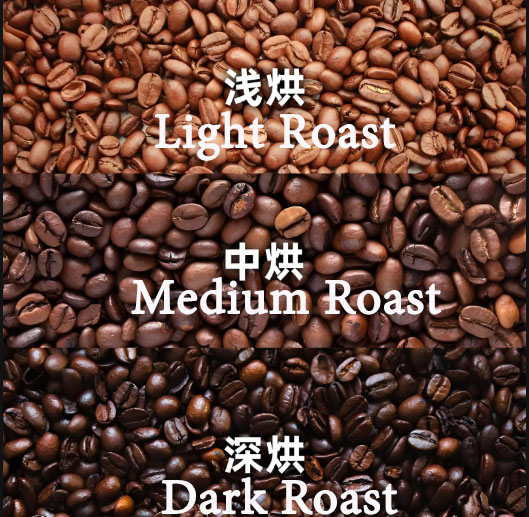
Roasting is roughly divided into light roasting (Light), medium roasting (Medium), city roasting (City) and deep roasting (Deep). Lightly roasted coffee beans: have a strong smell, are very crisp, and have a high acidity as the main flavor and a slight mellowness. Medium roasted coffee beans: have a strong mellowness while retaining a certain acidity. City roasted coffee beans: have a darker brown surface, the acidity is replaced by a slight bitterness, and most of the flavor has been destroyed. Deeply roasted coffee beans: dark brown in color, oily on the surface, and for most coffee beans, the mellowness is significantly increased and the acidity is reduced. In fact, roasting coffee is a way of processing food.
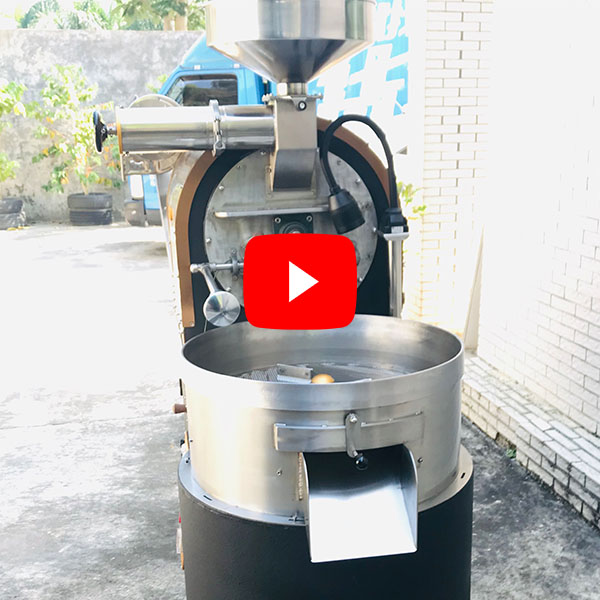
The roasting of professional coffee is a personal expression of the roaster. The biggest trouble when you first come into contact with professional coffee (SPECIALTY COFFEE) is the name of the roasting degree. The roasting machine used and the production area are different, and the color of different roasting degrees is produced. In addition, some roasting degrees are named after comprehensive coffee, and even if the color looks the same, it may have a completely different flavor. Therefore, the choice of bean type, roasting temperature and roasting method, and the length of roasting time are the main factors that determine the final flavor.
Related News









Contact US
Product Information
Quantity
Unit
Piece
Support order samples, customization, wholesale direct, and complete payment. If the product you look for does not have corresponding customized content, pls fill out the form below to contact us, and we will reply ASAP.