Welcome to Yetinhon

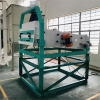
What Processes Coffee Bean Peeling Will Be
What Processes Coffee Bean Peeling Will Be
 17 Feb
A coffee bean husking machine undergoes several processes to remove the outer husk (such as parchment or silver skin) from the beans. The key steps involved are:
Feeding:
Coffee beans are loaded into the machine through the feeding hopper for processing.
Husking (Peeling):
Mechanical Friction: The machine uses rollers, grinding plates, or rubber drums to create friction, which removes the outer husk.
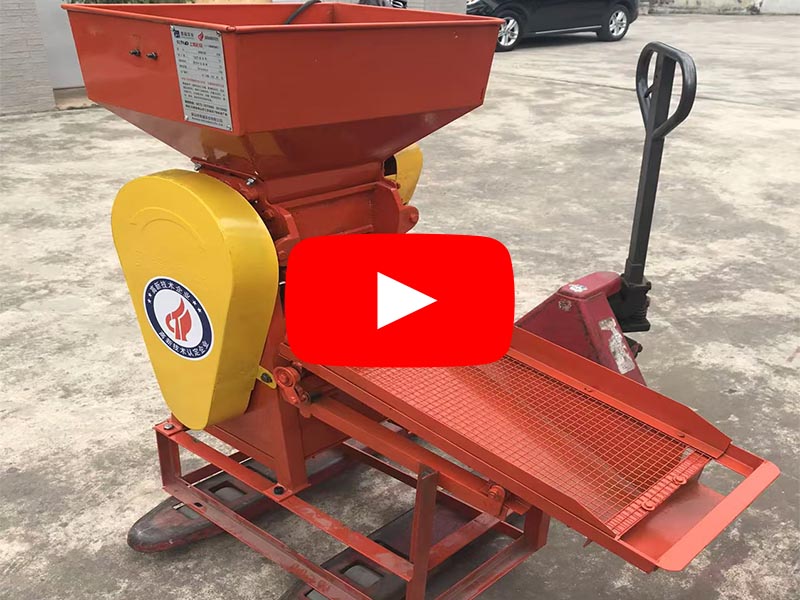
Impact Husking: High-speed rotating hammers or impact mechanisms crack and separate the husk from the beans.
Separation:
Airflow Separation: A fan or air-blowing system removes the lighter husks, while the heavier coffee beans continue to the next stage.
Sieving Separation: A vibrating or rotating sieve sorts and separates the husked beans from the remaining husks.
Collection & Discharge:
Husk Collection: The removed husks are collected in a dust bag or container to prevent environmental pollution.
Bean Discharge: The cleaned coffee beans are discharged through an outlet, ready for further processing like sorting, grading, or roasting.
Dust Removal & Cleaning:
Dust Extraction System: Some machines feature dust removal systems to minimize airborne particles and maintain a clean working environment.
Machine Cleaning: Regular cleaning of the husking chamber and air ducts ensures optimal performance and prevents husk buildup.
Related News




Contact US
Product Information
Quantity
Unit
Piece
Support order samples, customization, wholesale direct, and complete payment. If the product you look for does not have corresponding customized content, pls fill out the form below to contact us, and we will reply ASAP.