Welcome to Yetinhon

Which Coffee Roaster is Best
Which Coffee Roaster is Best
 03 Jun
Which Coffee Roaster is Best? A Deep Dive into Choosing the Right Coffee Roasting Machine
Coffee is more than just a beverage — it’s an experience, a culture, and for many, a daily ritual. While the beans, brew methods, and barista skills are often in the spotlight, one of the most critical factors in a coffee’s flavor is the roasting process. Roasting transforms green coffee beans into the aromatic brown beans we know and love.
For café owners, small-batch roasters, or even passionate home brewers, choosing the right coffee roasting machine is essential. In this blog post, we’ll explore the types of coffee roasters available, their pros and cons, what to consider when buying one, and compare some of the top brands on the market.
Understanding Coffee Roasting Machines
Coffee roasting machines are specialized equipment that heat green coffee beans to initiate chemical reactions — primarily the Maillard reaction and caramelization — which bring out their flavors and aromas.
There are two main types of coffee roasters:
1. Drum Roasters
Drum roasters use a rotating drum heated by gas or electricity. Beans tumble inside the drum while being roasted by direct contact with the hot metal and hot air.
Pros:
-
Excellent heat retention
-
Suitable for medium to large batches
-
Consistent roasting results
-
Precise control over roast profile
Cons:
-
Takes time to preheat
-
Larger and heavier
-
Can be expensive
2. Fluid Bed (Hot Air) Roasters
These use a stream of hot air to roast beans, causing them to levitate and circulate in a roasting chamber. It’s similar to how popcorn poppers work.
Pros:
-
Faster heat-up and roasting times
-
Easier to clean
-
More energy-efficient for small batches
-
Lightweight and portable
Cons:
-
Less control over roast profile for large batches
-
Not ideal for commercial-scale production
-
Can be noisier
Key Factors to Consider When Choosing a Coffee Roaster
Before diving into specific models, consider the following factors to choose the best roaster for your needs:
1. Batch Size
Are you roasting for yourself, a small café, or a large commercial operation? Home roasters typically range from 100g to 1kg per batch, while commercial models can handle 5kg, 15kg, or more.
2. Heat Source
-
Gas-powered roasters offer faster heating and more precise control but may require installation considerations and ventilation.
-
Electric roasters are more plug-and-play and suitable for indoor use but may lack the power and responsiveness of gas models.
3. Control & Automation
Modern roasters offer digital interfaces with roast profiling, data logging, and even app connectivity. For advanced users or businesses, this level of control is crucial.
4. Build Quality & Materials
Stainless steel drums, high-quality motors, and heat-resistant components ensure durability and consistent performance.
5. Ventilation & Smoke Control
Roasting coffee produces smoke and chaff. Ensure your roaster has proper exhaust and chaff collection systems — especially important for indoor or café environments.
6. Budget
Roasters vary greatly in price:
-
Entry-level home roasters: $150–$800
-
Prosumer models: $1,000–$3,000
-
Commercial models: $5,000 and up
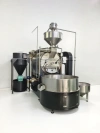
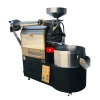
Commercial Drum Roasters
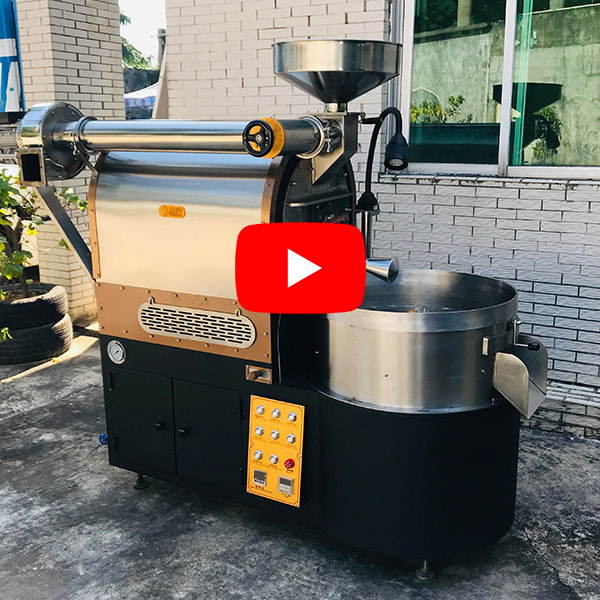
Roast Profile Control: The Hidden Champion
One of the most important (but often overlooked) features in a coffee roaster is profile control. It refers to the ability to manipulate variables like:
-
Bean temperature
-
Drum speed
-
Airflow
-
Heat application
The best roasters allow you to replicate successful roast profiles with precision. This consistency is crucial for maintaining quality — especially in commercial settings.
If you plan to scale up or want to experiment with roast curves, look for machines with USB or Bluetooth connectivity.
Software Integration: Tech Meets Tradition
More roasters today integrate with digital roasting platforms. Here's a quick comparison:
Related News




Contact US
Product Information
Quantity
Unit
Piece
Support order samples, customization, wholesale direct, and complete payment. If the product you look for does not have corresponding customized content, pls fill out the form below to contact us, and we will reply ASAP.